5 minutes of readingPuneFebruary 12, 2026 10:45 am
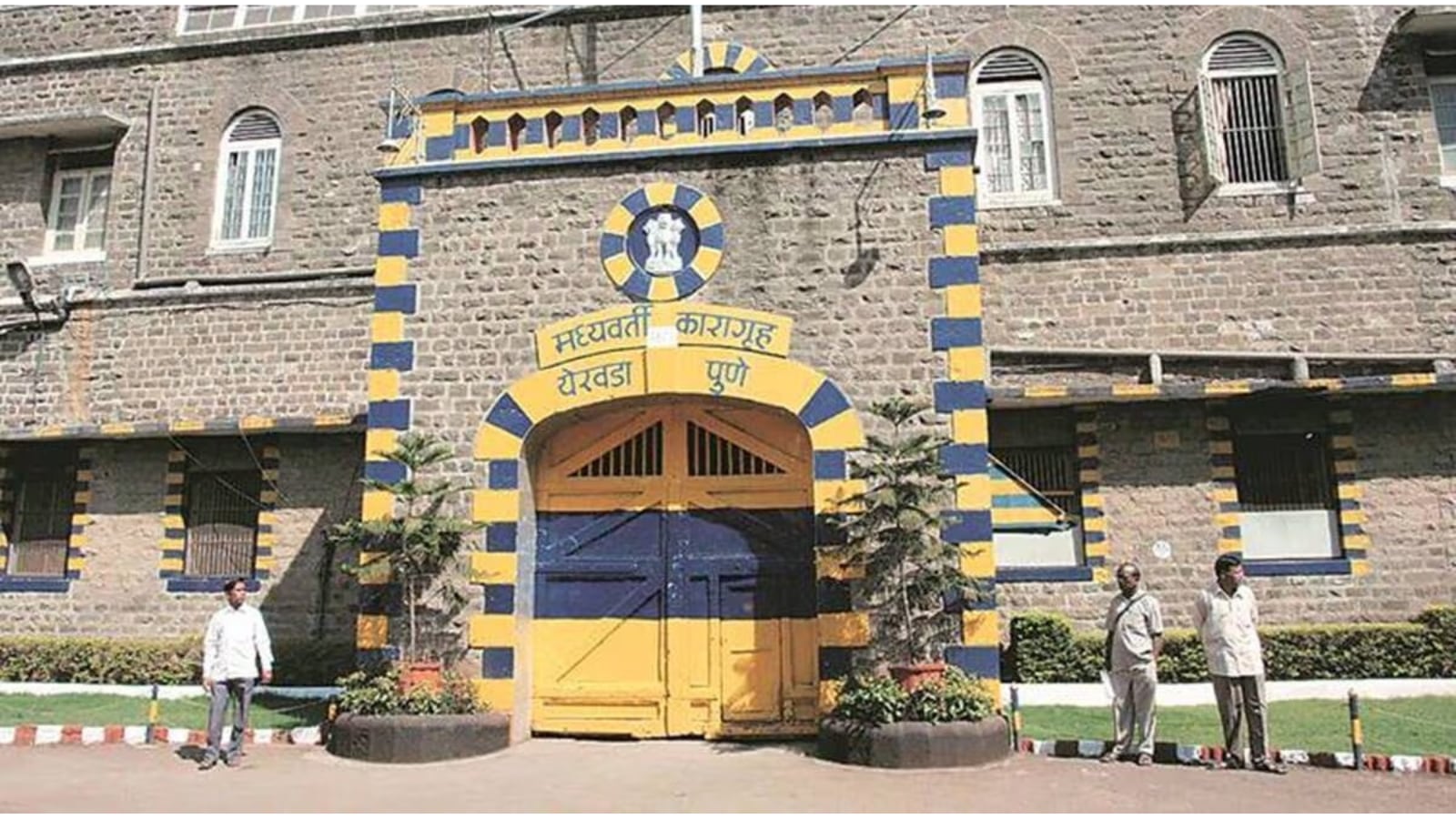
HOW THE DAY STARTED inside the high security facility Yerawada Central Prison In Pune, a life-sentenced inmate walked to the prison library. On the tables there were chess boards, the pieces already arranged, and some desktop computers with chess applications open. A dozen inmates were ready for the day’s lesson: the king and pawn versus king ending, one of the most fundamental endings in chess.
The life-sentenced inmate, aged in his 40s, is among a group of around 20 inmates at Yerawada Central Prison who are training nearly 200 fellow inmates interested in chess. The group includes members of the FIDE Intercontinental Prisoners Championship winning team, along with others receiving expert training as they prepare for future editions of the tournament. In October last year, a team of six inmates from Yerawada Prison won gold by beating the El Salvador team in a decisive match of Armageddon in a tense final match. All six members are serving life sentences, as are most of the 20 inmates who are being trained for future editions.


The Yerawada Central Prison chess team began to take shape in mid-2021 under the Indian Oil Corporation (IOC) social management programme, Parivartan: Prison to Pride, launched in all prisons in India. The initiative gained international attention in 2024, when Yerawada hosted the International Chess for Freedom Conference. organized by the International Chess Federation (FIDE) in collaboration with the IOCfocusing on chess as a key correctional activity. Before the gold in the Intercontinental Championship in October 2025, the Yerawada Prison team won silver in the Asian Championship in 2025, fourth place in the Intercontinental Championship in 2024, gold in the Intercontinental Championship in 2023 and bronze in the Intercontinental Championship in 2022. The Intercontinental Championship is the largest chess event ever held among penitentiaries, organized by FIDE and the Office of the Cook County Sheriff of Chicago, a part of the ‘Chess’ show. “For Freedom” Program.
Yerawada Prison Superintendent Sunil Dhamal said: “Within the prison walls, chess has become more than a game. It offers inmates a structured space to think, plan and concentrate, replacing hours of inactivity with discipline and purpose. The dedication shown by the players reflects a deeper desire to rebuild themselves and overcome the most difficult chapters of their lives. We have a group of around 20 inmates, most serving life sentences, who “They have been selected for specialized training. They undergo intensive training from outside coaches for two to three months before each international competition, but during the rest of the year, these 20 inmates become coaches for about 200 inmates interested in chess.”
A corrections department official said: “Each inmate carries a past marked by difficult and often dark chapters. Chess, with its emphasis on strategy, patience and discipline, offers a rare opportunity to look forward with purpose. While all participants are serving sentences for serious crimes, including murder, the program aims to blaze a constructive path, one that encourages reflection, responsibility and the possibility of a more positive future.”
Indian chess grandmaster Abhijit Kunte, a mentor of the program, hired chess player and coach Ketan Khaire as the team’s coach around the same time the team was formed in 2021. Along with Kunte and Khaire, the Yerawada chess team’s coaches include international master Eesha Karavade, assistant coach Sagar Mohite, competition referee Pavan Katkade, computer systems assistant Ganesh Malkari and team coordinator Yogesh Pardeshi. The program is guided by Additional Director General Suhas Warke and Special Inspector General Yogesh Desai.
Talking to him indian expressKhaire said: “While the focus of the program is the training of the 20 selected inmates, what makes us even more proud is the fact that these 20 themselves become trainers of around 200 more inmates. That is a very unexpected but reassuring result of our program. When we started the specialized training, the chess skills were not refined. The program began by training the participants in the basics: understanding the language of chess, learning to record games and gaining clarity about the level. of competition ahead. As the training progressed to deeper tactical and strategic concepts, the sessions became more than lessons on the board. In that space, many inmates began to share their personal challenges, speaking candidly about the emotional burdens and their desire for change. We now have a group of 20 inmates who can compete in international competitions and a group of 200 more to choose from.
Story continues below this ad.
Training includes chess rules and terminology, algebraic notation, and tournament protocols, followed by opening principles, core tactical motifs such as forks, pins, and skewers, and fundamental endings including king and pawn positions. Sessions also emphasize game analysis, error identification, and time management.

Click here join WhatsApp Express Pune Channel and get a curated list of our stories
© The Indian Express Pvt Ltd