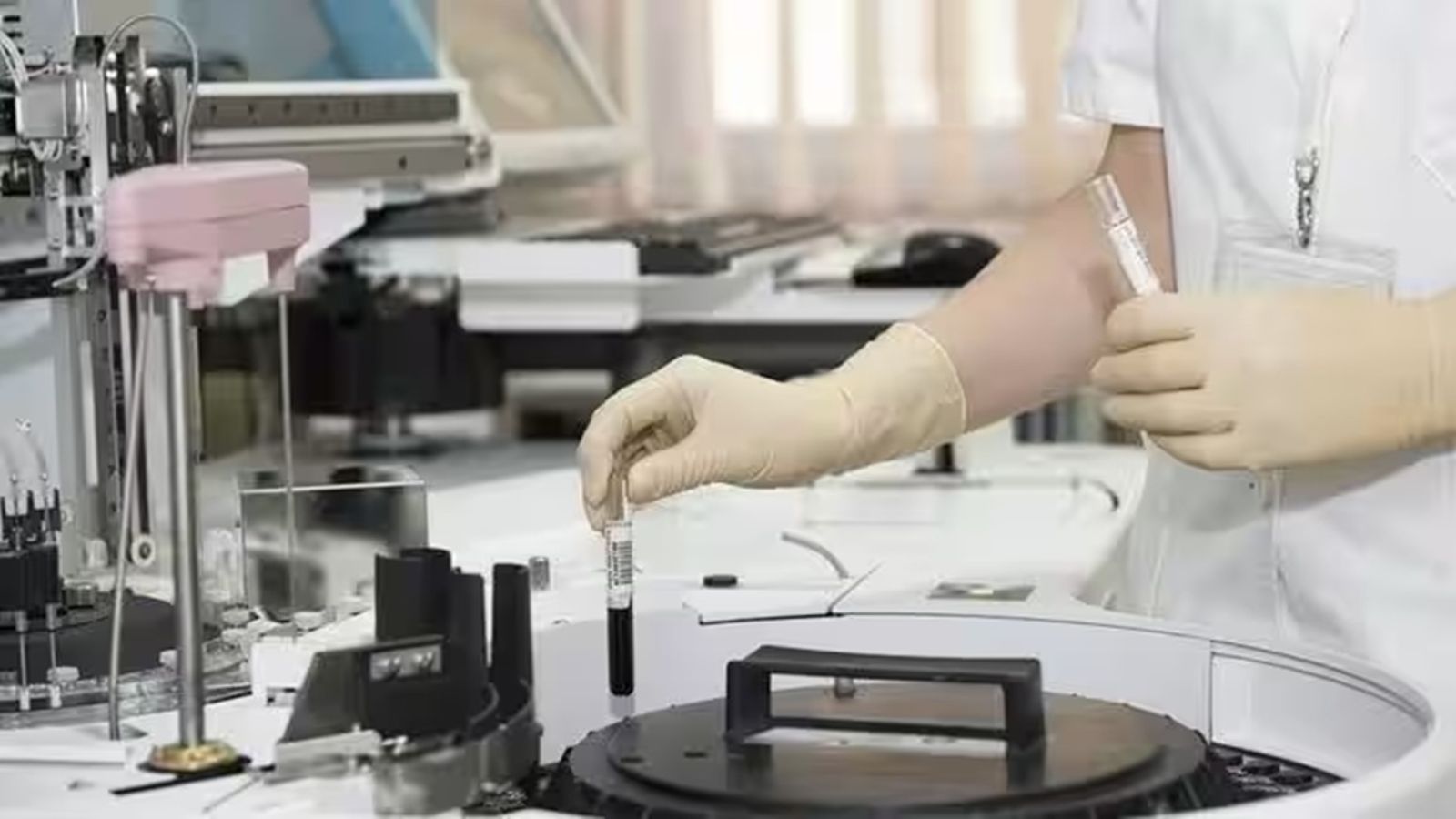
The Armed Forces Medical Services (AFMS) has partnered with the Indian Institute of Sciences, Bengaluru to collaborate in research and development on various aspects of combat medicine. Today a Memorandum of Understanding was signed,
At a press conference on the sidelines of the 74th Annual Armed Forces Medical Conference ARMEDiCON-2026, Surg Vice Admiral Arti Sarin, Director General of Armed Forces Medical Services, said research is a key pillar of AFMS’s long-term vision.


“Over the past year, we have strengthened institutional partnerships through MoUs with premier organizations like IIT Madras, NIMHANS, DIAT. Pune,PGI chandigarhIISC BengaluruICMR, AIIMS New Delhiand several IITs. “These collaborations form the backbone of our ‘Future-Ready’ strategy,” DGAFMS said.
Professor Navakanta Bhat, Dean, Division of Interdisciplinary Sciences, IISc, Bengaluru, also explained how the focus was on the health needs of soldiers deployed in remote locations. “From wearable devices to wound healing, these technologies will enable continuous monitoring of health parameters and even enable interventions in remote environments. These innovations will not be limited to field use but will also find applications in hospitals and civilian healthcare,” said Professor Bhat.
A key component of this partnership is a joint doctoral program, under which AFMC doctors can come to IISc to conduct research, develop innovative solutions and apply them to real clinical needs. “The MoU outlines broad outlines and we are confident that many significant innovations will emerge from this initiative,” he said.
While the IISc is in the process of setting up a comprehensive medical program including a postgraduate medical school and an 830-bed hospital, the premier institution is keen on deepening ties with the Armed Forces Medical College (AFMC), Pune and finding solutions in the field of combat medicine.
In a question related to Indian astronaut Shubhanshu Shukla’s recent research on how bacteria could be used to produce construction materials on Mars, Professor Bhat said it was an example of collaborative spirit. “Shubhanshu, who completed his master’s degree from IISc, benefited from the opportunity to pursue the Mtech by Research programme.
Story continues below this ad.
In addition to the courses, practical research was carried out in laboratories, including work in space medicine. “With upcoming space missions, fundamental questions about the human body in zero gravity remain open research challenges and therefore R&D collaborations are important,” he said.
ARMEDiCON 2026
Meanwhile, Vice Admiral Surgeon Sarín also spoke about how ARMEDiCON remains one of the most important professional and strategic platforms of the Armed Forces Medical Services. “It brings together senior managers from all three services to collectively review our achievements, reflect on emerging challenges and chart a roadmap for the future.
“This year’s conference has focused primarily on operational readiness, clinical excellence, leadership, research and capability development. We were privileged to hear from Lieutenant General Pratik K Sharma, Government of China’s Northern Command, who shared invaluable insights from Operation SINDOOR, highlighting the changing nature of military medical support in contemporary conflicts,” Vice Admiral Sarin said. He also explained that military medical exercises on blood support, combat casualty care, evacuation and disaster response further strengthen operational readiness.
The DGAFMS also spoke about how the Armed Forces Medical College has strengthened its biosurveillance and diagnostic capabilities. “A state-of-the-art BSL-2 laboratory has been established under the state-level viral research and diagnostic laboratory. This enables rapid and safe identification of infectious pathogens during outbreaks. We have also operationalized AFMC’s first viral cell culture laboratory, enabling advanced viral isolation and characterization. By integrating these facilities with national surveillance systems and the One Health framework, AFMC is playing a pivotal role in strengthening India’s preparedness against biological and emerging pandemics,” he said.
Story continues below this ad.
At the medical camp in the union territory of Lakshadweep and Minicoy islands organized under the auspices of the Indian Navy, the DGAFM said the initiative was aimed at bringing high-quality specialized care to remote island communities. “More than 4,700 beneficiaries received consultations across multiple specialties. More than 550 procedures, including cataract surgeries, general surgeries, dental care and diagnostic services, were performed on site. This mission reflected the true spirit of togetherness, outreach and service. It reaffirmed our commitment to ensuring equitable access to healthcare, regardless of geography,” he added.


Click here join WhatsApp Express Pune Channel and get a curated list of our stories
© The Indian Express Pvt Ltd