3 minutes of readingBombayUpdated: February 10, 2026 11:32 am IST
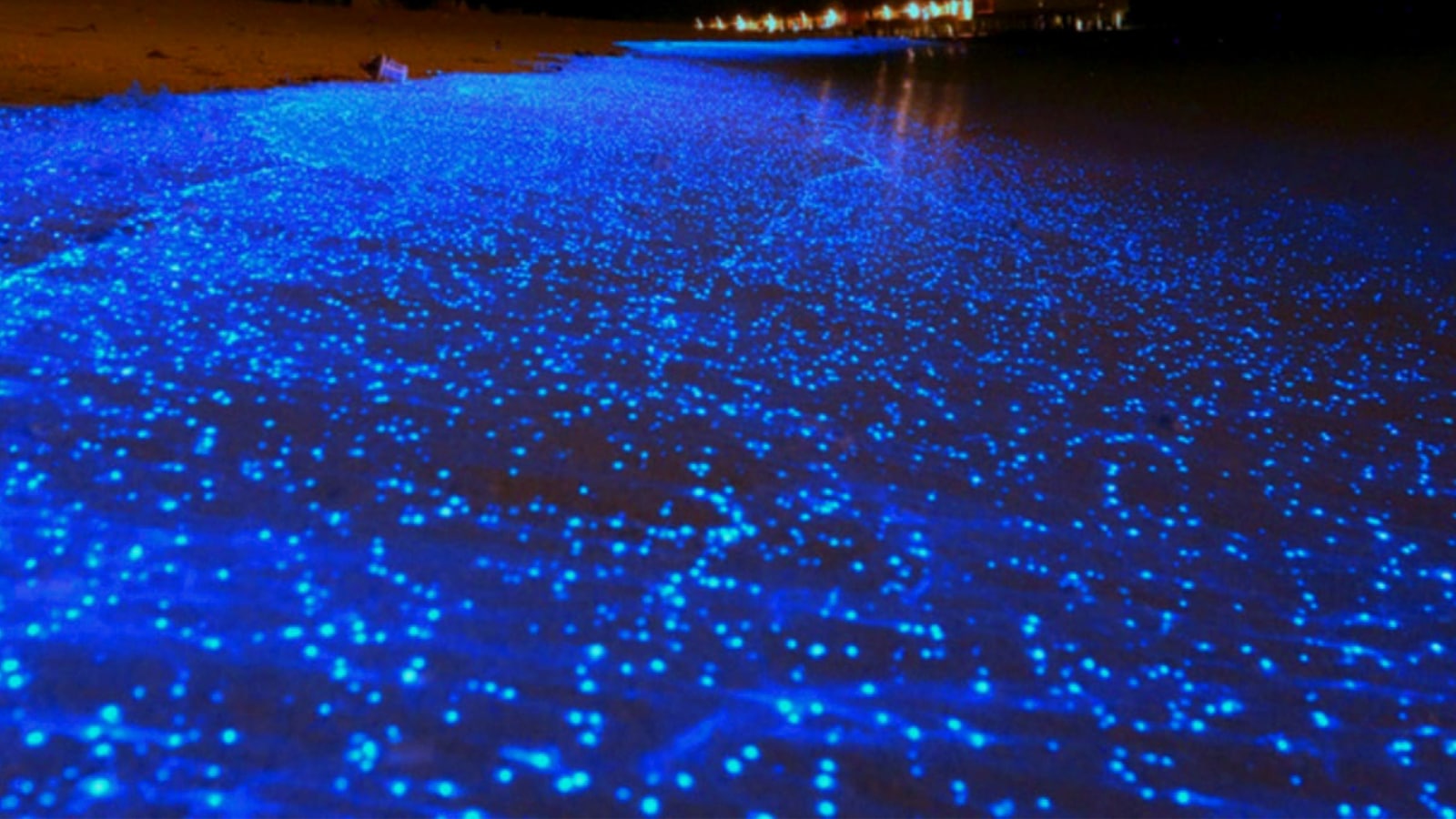
In recent days, videos have been published showing brilliant Blue waves at Mumbai’s Juhu beach at night they have gone viral on social networks. While the sight has surprised many visitors, the phenomenon, although surprising, is a natural process caused by small marine organisms and has been previously recorded from parts of the Maharashtra coast.
Why do waves look blue?
The glowing effect is caused by a natural phenomenon often called “blue tide.” It occurs when very small marine organisms known as phytoplankton, especially a type called dinoflagellates, light up when disturbed.


When waves crash or move, these organisms release a blue glow through a chemical reaction within their bodies, making the sea appear illuminated.
Bioluminescence is the ability to living organisms to produce light. It occurs due to a chemical reaction within the body. A light-producing molecule called luciferin reacts with oxygen, catalyzed by an enzyme called luciferase, releasing light.
The glow can be blue, green, or sometimes yellow, depending on the organism. It is found in many forms of life, including plants, animals, fungi and bacteria. Various beings can shine in the ocean, such as algae, jellyfish, small crustaceans, worms, fish and even some sharks. This glowing effect is most commonly seen in plankton and deep-sea species.
Why do these organisms glow?
Scientists believe that shining brightly helps these organisms protect themselves. The sudden flash of light can confuse or frighten predators, allowing the organisms to escape. Another reason could be that shining helps them gather and form larger groups.
Is this common on Indian beaches?
Along the western coast of India, bioluminescence has occasionally been observed, mainly during November and December. While rare, similar bright waves have been reported earlier in places like Ratnagiri and along the Dakshina Kannada-Udupi coast.
Story continues below this ad.
Their appearance depends on several factors, including water temperature, nutrient levels, precipitation, and wind. Because these conditions change, bright waves remain unpredictable and rare, rather than routine.
Is blue tide harmful?
Small bright spots are usually harmless. However, larger, slower-moving blooms can affect marine life and fishing activity. Blue tides can also be a warning sign of stress in the marine environment.
Factors such as rising sea temperatures, heavy rainfall, sewage discharge, fertilizer runoff, low oxygen levels and changes in wind patterns can trigger such events.