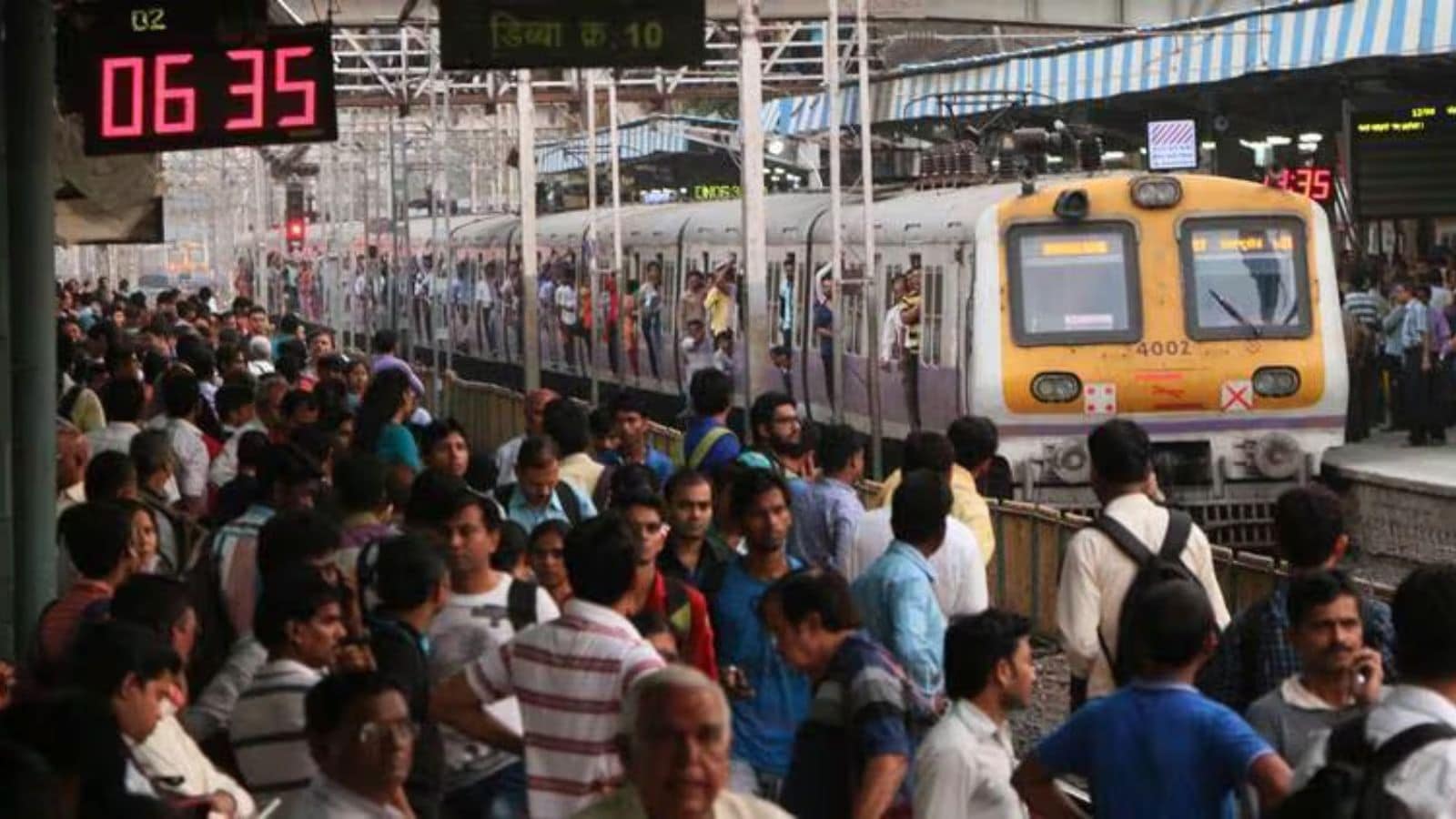
He stabbing of a 32-year-old teacherAlok Singh during an altercation at Malad railway station has once again drawn attention to the volatile conditions within Mumbai’s suburban rail system, where overcrowding, daily stress and cramped infrastructure routinely turn small disagreements into flashpoints of violence. The incident highlights why conflicts on the city’s trains are becoming more frequent.
How many people use local trains in Mumbai?
BombayThe Berlin suburban railway is among the busiest transport systems in the world, transporting between 7.5 and 8 million passengers every day. During peak hours, between 8am and 11am and 5pm and 9pm, trains typically operate at more than double their designed capacity, with between 14 and 16 passengers crammed into each square meter of coach space.

A 2017 qualitative study titled Frustrations, Quarrels and Friendships: The Physical, Emotional and Behavioral Effects of High-Density Crowding on Mumbai Suburban Train Passengers by researchers at Central Queensland University found that Mumbai local trains operate with some of the densest passenger loads in the world. While train capacity has increased since the report was published, overcrowding and boarding and alighting conflicts continue to lead to violent incidents.
 Alok Singh, a 32-year-old teacher, was stabbed during an altercation at Malad railway station on Saturday afternoon. He reportedly remained alive for about half an hour while the railway police carried out procedural formalities. (File photo)
Physical stress and loss of control.
The study states that passengers are forced to maintain close body contact when getting on and off. Movement becomes restricted, balance becomes difficult to maintain and belongings like bags, dupattas and even hair get caught in the crowd. This constant loss of physical control increases irritation and fear, especially near train doors and platform edges, where crowd pressure is greatest.
Emotional pressure of daily life.
Researchers found that many travelers board trains already burdened by work stress, financial anxiety and family pressures. Overcrowding increases this tension and produces feelings of helplessness and anger. Travelers often report having no choice but to endure daily stress, which reduces tolerance for the behavior of others.
Small triggers, big reactions
Under such conditions, minor incidents such as being pushed, stepped on, or brushed against can lead to arguments. Researchers found that accidental contact is often perceived as deliberate, especially when tempers are already frayed. Once personal space collapses, even trivial disputes can escalate into shouting matches or physical violence.
Noise and the use of the telephone as sources of tension
Travelers also point to everyday irritants, such as loud phone conversations, mobile videos played without headphones, and jostling while filming reels, as new sources of friction. In crowded compartments, noise spreads easily and personal boundaries blur, making this behavior a frequent trigger for verbal confrontations.
Story continues below this ad.
Fights as emotional release
Some passengers see arguments on the train as a way to vent their pent-up frustration at strangers they are unlikely to meet again. Researchers found that for some travelers, screaming acts as a form of emotional release in an otherwise helpless situation.
Station design increases pressure
Urban transportation studies show that narrow stairs, pedestrian bridges, and poorly planned exits worsen crowd stress. At busy junctions like Prabhadevi-Parel and Kurla, commuters are funneled from wide platforms onto narrow stairs, leading to panic, traffic jams and frequent jostling.
Collapsed culture and personal space
Researchers note that social rules about personal space are breaking down under Mumbai’s extreme overcrowding. When bodies are forced to be in constant contact, avoiding confrontation becomes more difficult and tempers flare more easily.

