3 minutes of readingBombayFebruary 8, 2026 9:40 PM IST
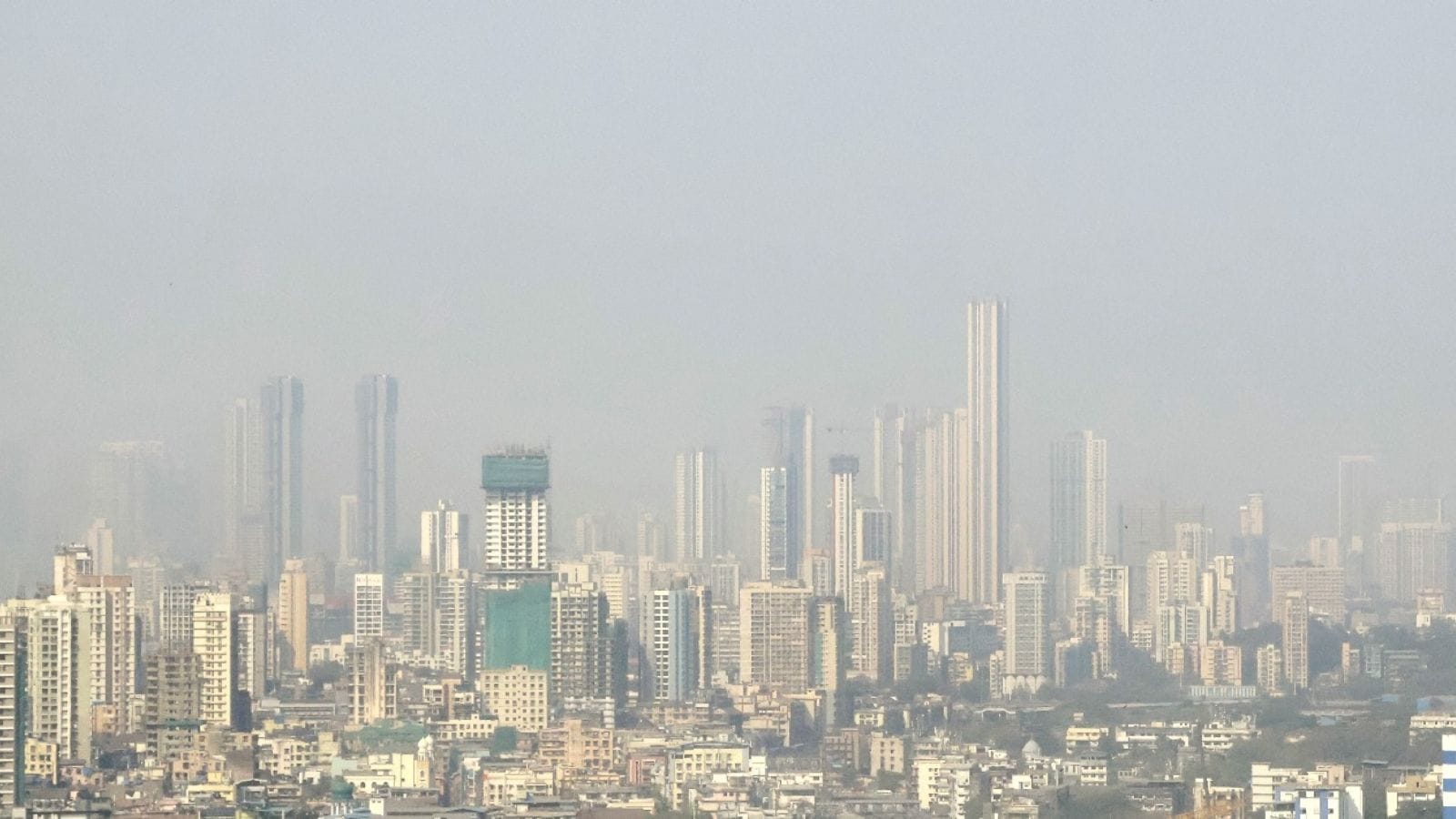
As Mumbai faces unhealthy levels of air quality since October, elected corporations have renewed calls for the introduction of a congestion tax in the city’s central business districts, arguing that curbing vehicular traffic is critical to tackling rising pollution.
A congestion tax is a fee applied to vehicles entering densely populated, high-traffic areas during peak hours, with the goal of reducing the volume of vehicles on roads that are already congested. These pricing mechanisms are widely used in cities such as London and Stockholm. In India, the Karnataka government had proposed a similar tax on vehicles plying on high-density corridors last year. The central objective is to restrict traffic flow and reduce pollution levels.

According to the Central Pollution Control Board (CPCB) dashboard, Bombay recorded an Air Quality Index (AQI) of 117 on Sunday, categorized as moderate and considered unhealthy for sensitive groups, including children and the elderly. Notably, Mumbai’s air has remained in the moderate category every day of February so far. In January, the city recorded unhealthy air for 23 days.
The CPCB data further shows that 26 of the ICA’s 28 operational monitoring stations in Mumbai have reported moderate air quality. Sion recorded the worst AQI at 186, followed by Bandra (East) at 160 and Navy Nagar (Colaba) at 150.
In this backdrop, Makarand Narwekar, a new member of the Bharatiya Janata Party (BJP), has written to municipal commissioner Bhushan Gagrani, urging the civic body to implement a congestion tax in Mumbai. In his letter, Narwekar cited the recently published Economic Survey, which recommends congestion pricing as a tool to ease traffic, reduce emissions and improve urban mobility.
“This policy can be implemented in congested central business districts like South Mumbai on a pilot basis. Focused trials in the island city could provide critical insights into the feasibility, challenges and benefits of implementing a congestion charge in Mumbai. This tax will discourage unnecessary vehicle usage, encourage public transport and reduce both traffic congestion and air pollution.”
Narwekar proposed a tax of Rs 50 to Rs 100 per entry during peak hours, between 8 am and 11 am, and between 5 pm and 8 pm. He suggested that high traffic areas could be identified using the existing CCTV network and automatic number plate recognition (ANPR) cameras installed at entry points.
Story continues below this ad.
“This measure is expected to generate approximately Rs 200-300 crore annually, which can be used to improve the city’s air quality,” Narwekar added.
Vehicle emissions have already been identified as a major contributor to air pollution according to the Mumbai Air Pollution Mitigation Plan (MAPMP) released in 2023. Mumbai also has the highest vehicle density among metropolitan cities, with 2,300 vehicles per kilometer, according to state government data. This marks a sharp increase from 1,840 vehicles per km in 2019 and 1,150 per km in 2014.
The pressure is further aggravated by new vehicle registrations. Data from the Regional Transport Office (RTO) shows that 3.02 lakh vehicles were registered in Mumbai in 2025, up from 2.79 lakh in 2024, underlining the magnitude of the challenge facing the city.

