4 minutes of readingBombayFebruary 4, 2026 12:22 am
By Purnima Sah


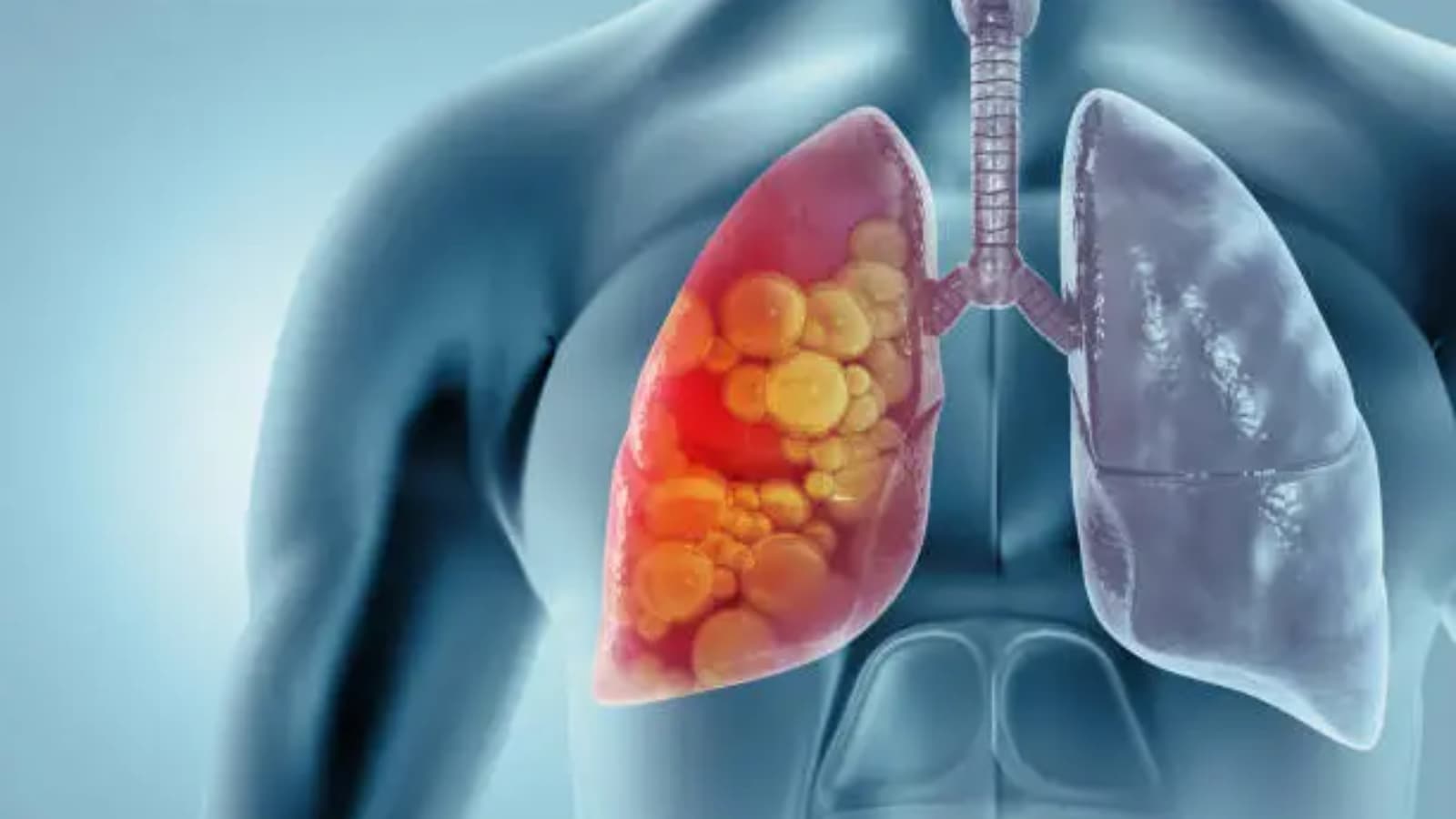
As India marks World Cancer Day on Wednesday, data from cancer registries and national estimates point to a worrying change in the profile of lung cancer in the country, with Bombay emerging as a key point for cases among non-smokers.
A report titled Cancer Incidence in India, released on February 3 by the Center for Cancer Epidemiology, dad Memorial Center, shows that adenocarcinoma, the most common type of lung cancer that often also affects non-smokers, has overtaken squamous cell carcinoma as the dominant lung cancer subtype in the city, particularly among women. According to the report, adenocarcinoma accounts for 56 per cent of lung cancer cases in Mumbai, compared to 28 per cent for squamous cell carcinoma and 16 per cent for small cell carcinoma.
The report links this trend to air pollution, exposure to biomass fuels, occupational hazards, the overlap of tuberculosis, and unequal access to timely care.
Dr. Atul Budukh, professor of Epidemiology at Tata Memorial Center and lead author of the report, said the findings challenge long-held assumptions about lung cancer. “Mumbai’s cancer data tells us that lung cancer is no longer just a disease of smokers. Air pollution, occupational exposures and genetic factors are driving cases among never smokers. This calls for a change in both public health messaging and clinical management,” he said.
According to the National Cancer Registry Programme, India recorded approximately 1.56 million new cancer cases and 8,74,404 deaths in 2024, with lung cancer among the leading causes of cancer-related mortality.
Among men, cancers of the trachea, bronchus and lungs accounted for 74,763 cases or 9.6 percent of all cancers and 56,818 deaths or 12.3 percent.
Among women, lung cancer contributed to 30,446 cases (3.9 percent) and 24,055 deaths (5.8 percent).
A 2024 review published in The Lancet Regional Health Southeast Asia found that lung cancer in India occurs almost a decade earlier than in Western countries, with the average age ranging from 54 to 70 years.
The review also noted that 40 to 50 percent of Indian lung cancer patients are non-smokers, a proportion that rises to 83 percent among South Asian women. Survival outcomes remain markedly uneven: the five-year survival rate in India is 3.7 percent, compared with 21.2 percent in the United States and 32.9 percent in Japan.
Mumbai’s distinctive risk profile
Regional contrasts further underline Mumbai’s distinctive risk profile. In the northeast, especially in Mizoram, lung cancer remains the leading cause of cancer mortality, largely driven by high tobacco consumption and practices such as tuibur, in which tobacco smoke is mixed with water.
In Mumbai, however, experts say the burden is increasingly determined by urban air pollution and occupational exposure, rather than just tobacco.
Story continues below this ad.
Long-term trend data spanning 25 years show a steady increase in adenocarcinoma, with a higher prevalence among women, Dr. Budukh said. He noted that this subtype is seen more frequently among non-smokers, strengthening the link with environmental and genetic factors.
GLOBOCAN projections estimate that the overall cancer burden in India will exceed 2.2 million cases by 2040, and lung cancer will continue to rise. In Mumbai, the number of cases is expected to rise sharply by 2025, with an estimated 81,219 men and 30,109 women likely to be diagnosed.
While tobacco remains a major risk factor, with 42 percent of Indian men and 14 percent of women using tobacco, studies show that in Mumbai, bidi smoking carries an even higher risk than cigarettes, with odds ratios as high as 18.3. Tuberculosis further complicates diagnosis and treatment. Research indicates that up to 29 percent of lung cancer patients were initially misdiagnosed as tuberculosis, leading to delays in care. Drug interactions between tuberculosis treatment and anticancer therapies also pose important clinical challenges.
Tata Memorial Center experts have called for expanded molecular testing, affordable access to targeted therapies, stricter tobacco control, and integrated tuberculosis and cancer screening programs. Dr Budukh warned: “We need collaborative research, political will and patient advocacy. Without this, the gap between what is possible and what is accessible will only widen.”