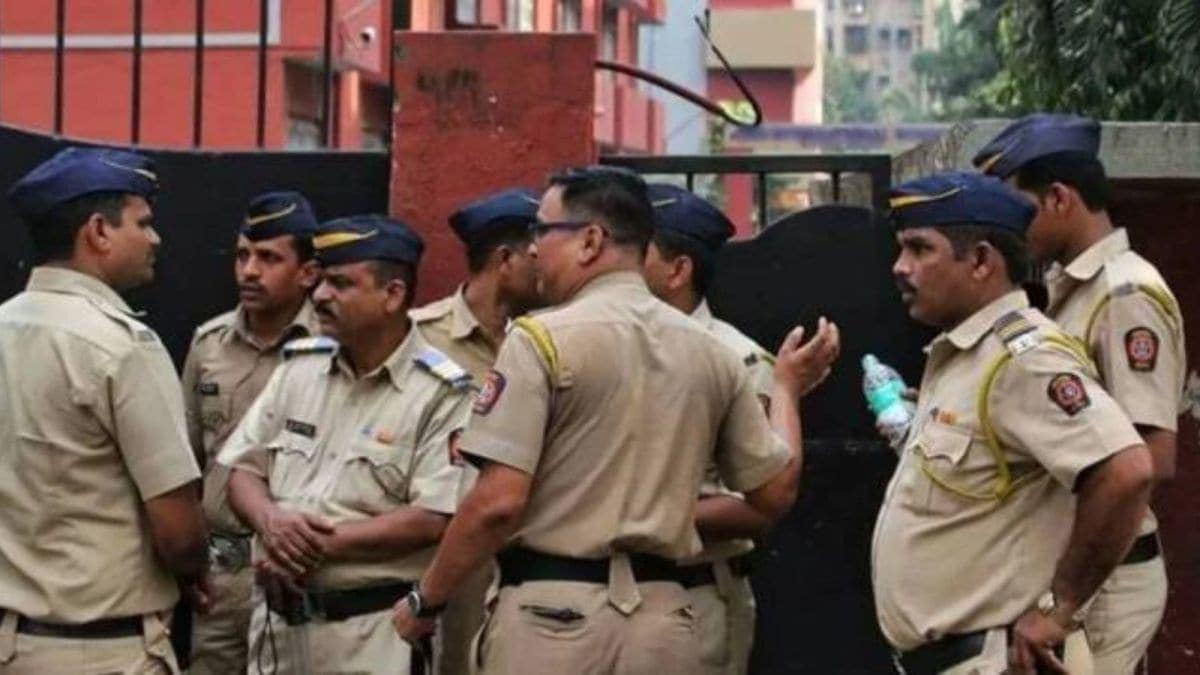
The arrest of Sangram Patil, a UK-based doctor and YouTuber, at the Mumbai airport on January 10 for comments allegedly made on social media against BJP leaders has highlighted how the Mumbai Police is increasingly using Vigilance Circulars (LOC) to act against accused involved in internet-based crimes from outside the country.
While LOCs are generally associated with accused in important cases like those against industrialists Vijay Mallya and Nirav Modi or gangster Anmol Bishnoi, Bombay Police officers say they have been able to use it more effectively in cases involving online content.

Officials say that when it comes to serious felony offenders, they are aware of these procedures, but it is in relatively minor offenses, such as objectionable social media posts, that defendants are caught unawares.
In August 2025, the Mumbai crime branch arrested Mohammad Dilshad Naved, an accused who had sent threatening emails to Zeeshan Siddiqui, son of slain NCP leader Baba Siddiqui on April 25. Police had identified the sender as Naved, a native of Bihar who worked in his uncle’s shop in Trinidad and Tobago.
An FIR was registered and a LOC was issued against him and four months later, when he landed in the city, the airport authorities alerted the police, who arrested him. It was later learned that he had also sent threatening emails to cricketer Rinku Singh.
An official said that in another case where threatening emails were received to actor Salman Khan in March 2023, they identified the person as a university student from a northern Indian state currently studying in the United Kingdom.
“We have issued an LOC against him as well and whenever he returns to the country, we will follow the necessary procedure after the authorities inform us,” the official added.
Story continues below this ad.
A senior official said that in several cases, people connected to India residing abroad think that since they are outside the country, they can get away with posting something derogatory online or issuing threats through mail. Even after registering an FIR, they believe everything will be forgotten with time, the official said.
“However, in all these cases, after an FIR is registered, we have the technology to trace them. We then obtain an LOC against the person. The issuance of an LOC is not only limited to important cases, but to any case where the criminal is absconding, whether inside or outside the country,” the officer said.
While the duration of a standing letter of credit has changed over the years from six months to one year, under the new rules, a standing letter of credit remains in effect until it is officially withdrawn. So whenever the accused returns to the country, even if the officers investigating the case have moved to other posts, the unit receives an alert from the immigration department and necessary action is taken, the officer said.
“It has been an effective tool in cases where we do not know when the accused will return to the country. Some think that after a while things will calm down, but the LOC is still in force,” he added.
Story continues below this ad.
The official said an LOC could be for “detain and report,” where immigration authorities detain the person and alert the Law Enforcement Agency (LEA), “prevent and report,” in which case a person who wishes to leave the country is prevented from doing so and the LEA is informed.
In the latter category, which is primarily for surveillance purposes, when no crime has been recorded, an LOC could simply consist of informing the authorities that a person is leaving the country without alerting them about the same.
In the case of Dr Sangram Patil, as soon as he was detained at the airport, his LOC was downgraded to “prevent and inform”, so he was not allowed to leave the country on January 19 when he tried to do so.

