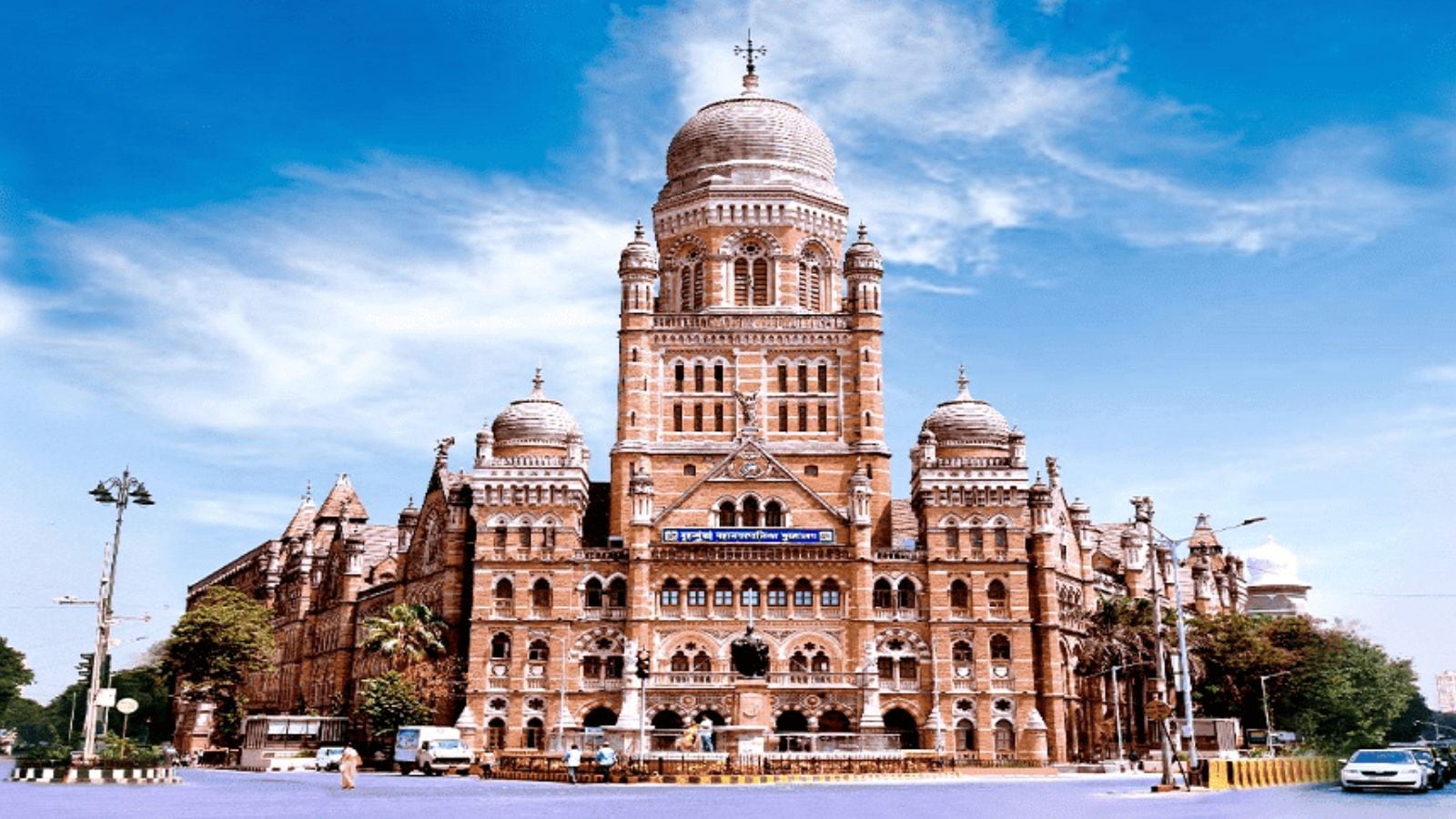

On July 26, 1875, just over 1,200 citizens voted in the first elections to the Bombay Municipal Corporation. The 64 councilors then elected were drawn almost entirely from the city’s elite, reflecting an electorate restricted to a small group of tax-paying citizens.
A century and a half later, BombayThe civic landscape has changed dramatically. Last month, 227 Nagarsevaks were elected to the Brihanmumbai Municipal Corporation, underlining how corporatists have evolved from elite, largely ceremonial figures to mass elected representatives with a service-oriented role in the country’s largest civic body.
The Municipal Corporation of Mumbai came into existence in 1872 with the enactment of the Bombay Act. Initially based at the Army Navy Building, the civic body had 64 councillors, all of whom were nominated by the British government or High Court judges.
Subsequently, it was decided that 50 percent of the councilors, 32 of the 64, would be elected by citizens, while the remaining half would continue to be nominated by the government and the judges.
Voting rights were restricted to tax-paying citizens, known as taxpayers, who paid a minimum annual tax of 50 rupees. Following a survey conducted by the assessment department, 3,893 taxpayers were found eligible to vote. This constituted only 0.6 per cent of the city’s population, as the 1872 census recorded Mumbai’s population at 6.44 lakh.
Among the eligible voters were 1,621 Hindus, 1,074 Parsis, 896 Muslims, 165 Europeans, 108 Portuguese and 29 Jews.
Two years later, when elections were held, only 1,255 voters went to the polls, about 35 percent of those eligible. Of the 32 councilors elected by taxpayers, 14 were Parsis, 10 Hindus, five Muslims and three Europeans.
Story continues below this ad.
A month later, the judges elected 16 councillors, including six Parsis and five each from the European and Hindu communities. The government appointed 16 other members, 13 of whom were European, as well as a Hindu, a Muslim and a Parsi.
In all, the first elected civic body consisted of 21 Europeans, 21 Parsis, 16 Hindus and six Muslims.
Prominent members included Dadabhai Naoroji, Byramjee Jeejebhoy, Cursetjee Nusserwanjee Cama, Kharshedji Rustomji Cama, Pherozeshah Mehta and Vishwanath Narayan Mandlik.
Beyond independence
BMC records show that this system continued until the early 20th century. In 1922, voting rights were extended to rent payers, tenants residing in registered properties on which council tax was levied.
Story continues below this ad.
In 1931, the position of President was renamed Mayor, giving the civic body a more democratic structure, although the role remained ceremonial. In 1952, the corporation became fully elected with the dismissal of the appointed councilors. Four years later, Mumbai got its first female mayor, Sulochana Modi.
“Earlier, during the colonial era, the role of councilors in Mumbai was only titular, which meant that they did not have much say or power in the administrative system. Later, after voting rights were distributed among rateable citizens, Pherozeshah Mehta advocated that the civic council should represent the citizens and gradually the councilors were given powers,” said Kaevan Umrigar, head of research at Khaki Tours. He indian express.
Beginning of a democratized system
In 1968, BMC local body elections were held for the first time under the supervision of an election commission. It was after this election that the municipal councilors became known as Nagarsevaks.
According to political researcher Surendra Jondhale, the 1960s and 1970s were marked by socioeconomic unrest and political mobilization across the country, with Mumbai emerging as a center of activism.
Story continues below this ad.
“From 1960 to late 1980s, a large-scale working class movement started, there were atrocities in textile factories. Therefore, various communist and socialist parties created different types of political values. As a result, the aspiration of acquiring political offices also started growing among the middle class, therefore, large-scale politics of middle citizens in electoral politics began to begin from that period,” Jondhale told Express.
In 1989, the strength of the civic standing committee was increased to 20 members, giving elected representatives greater control over the corporation’s finances.
Retired IAS officer DM Sukthankar said, “The political demographics in BMC changed completely after the 1970s, when members of higher economic strata no longer dominated municipal politics and representation of common citizens was distributed fairly through elected municipal councillors. While the Congress had the largest number of councilors until the late 1980s, the Shiv Sena, the Bharatiya Janata Party (BJP) and Jan Sangh also had a fair presence in the administrative system, thus reflecting the overall democratic system.”
Mayor on council and beyond
In 1990, 30 percent of BMC seats were reserved for women. Four years later, the Municipal Corporations Act was amended to reserve a third of seats for women, with 27 per cent reserved for marginalized communities.
Story continues below this ad.
In 1998, a mayor-in-council system was introduced, giving executive powers to the mayor and councillors. However, the system was eliminated within a year and the positions of opposition leader and deputy mayor were introduced.
“The mayor in the council system was brought in to give powers to the mayor and councilors so that all the administrative power was vested in them. However, this created an imbalance in the system as many councilors were seen abusing their powers. Also, since BMC is a statutory body and an autonomous institute, there was no direct accountability of the power, hence within a year the government reversed its decision,” a civic official told The Indian Express.
Since then, the mayor’s role has remained ceremonial, while elected corporators coordinate with the BMC on civic works and sit on statutory committees that shape political and development decisions.
Each corporator receives an annual allowance of Rs 1.6 million and a monthly fee of Rs 25,000.