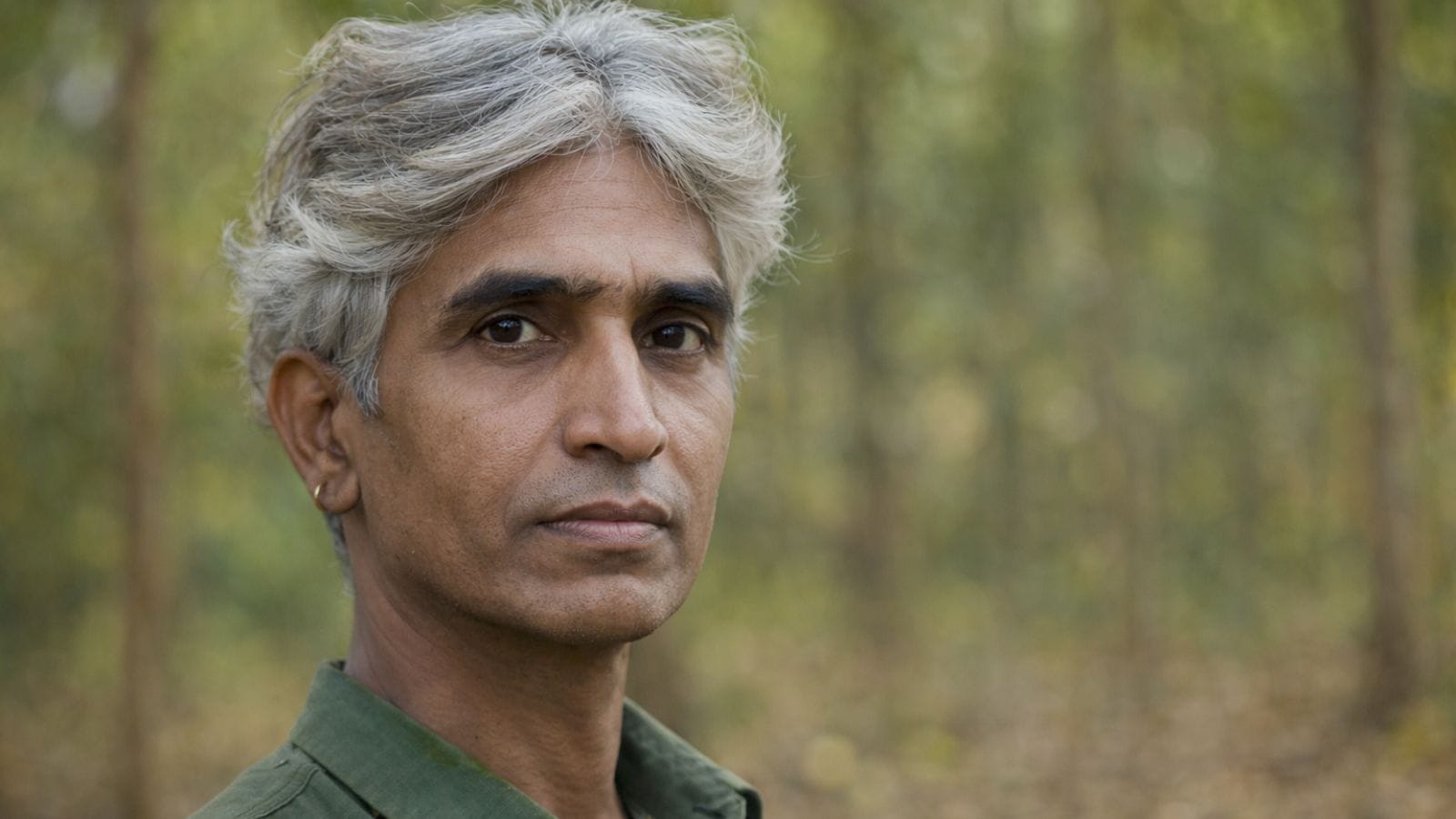
Prabhakar, also known as Ravi, Parkal Veer, Swamy and Padakala Swamy, was among the seven Maoists killed in the Abujhmarh operation carried out by the Gadchiroli police after the planned surrender in October 2025 failed to materialise.
“He came to surrender along with Bhupati alias Sonu Dada alias Mallojula Venugopal Rao in October 2025, but the plan did not materialise. Instead, Prabhakar also known as Ravi, Parkal Veer, Swamy, Padakala Swamy and Loketi Chandar Rao (57) fled with five to six cadres and was later among the seven Maoists killed in the Abujhmarh operation carried out by the Abujhmarh police. Gadchiroli,” a senior police official told The indian express.


Prabhakar, son of Ramchander, resided at Isorjiwada in Sadashiv Nagar in Kamareddy district of Telangana and belonged to the Katika caste. He was carrying a reward of Rs 25 lakh. One of the seven Maoists killed in the anti-Naxal operation on the Maharashtra-Chhattisgarh border in Gadchiroli, was a senior leader holding the rank of member of the Dandakaranya Special Zonal Committee (DKSZCM).
He was in charge of West Bastar Sub-Zone Bureau (WSZB), member of Special Military Commission (SMC) and Weapons and Manufacturing Committee (WMC), and was responsible for North Gadchiroli division. At the time of the encounter, he was carrying an AK-47 rifle.
A senior official explained that the Dandakaranya Special Zonal Committee is divided into four sub-divisions covering much of Chhattisgarh, parts of Gadchiroli and north Telangana. “Prabhakar was in charge of the West Bastar sub-division, under which Gadchiroli also came. Effectively, he functioned as the top Maoist leader of Gadchiroli for the last ten years,” the officer said. Bhupati, considered the overall chief at the national level, was senior to him, while Prabhakar functioned as the state-level chief of the West Bastar sub-division.
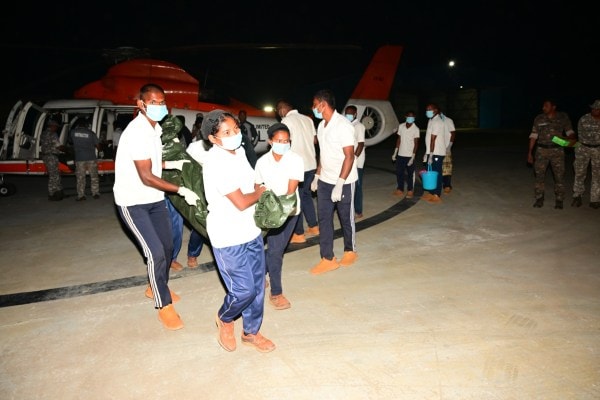 Prabhakar was killed in the Abujhmarh operation carried out by the Gadchiroli police after the surrender scheduled for October 2025 failed to materialise. (Special arrangement)
The officer said the remaining six Maoists killed were lower-ranking cadres. “Prabhakar was expected to surrender along with Bhupati, but due to certain developments, the plan did not materialise. Prabhakar fled along with five or six cadres, the same group that later participated in the encounter,” he said, adding that though there were hints of surrender talks at the last minute, Prabhakar decided to escape.
A veteran who avoided encounters
Sources among the surrendered cadres said Prabhakar was a well-known figure within the organization for his repeated encounters and evasion of arrest. A surrendered Naxal said that a story about him was written in Telugu and later translated into Gondi and Hindi, and was widely read among the cadres.
Story continues below this ad.
Padakala, a village in Kamareddy district, was the site of a 36-hour encounter from which Swamy escaped, earning him the name ‘Padakala Swamy’, which is recorded in Maoist history. The story tells of how he escaped from an ambush, although the source does not remember if this was the same incident in which he later hid for hours in a pit filled with cow dung to evade arrest.
In the Dandakaranya region, he adopted the name Prabhakar; His original name was Loketi Chandar. He was active in the Maoist movement for almost 39 years, and sources recalled meeting his children during his time in the movement, noting that his family was associated with the CPI (Maoist).
Prabhakar began his political life in 1986 as a leader of the Radical Youth Organization. His early political career was rooted in struggles against landlords and feudal oppression. In 1991, he went underground and formally joined the party’s armed wing, having operated legally until then.
He married Sulochana at the age of 16 and had three children. One of his daughters, who suffered from health problems since she was little, later died.
Story continues below this ad.
After going underground, he worked as a squad member, commander and area committee secretary in Kamareddy and Chinnapalli, building the movement both politically and organisationally. He played a key role in several armed actions, served as deputy commander and commander in large raids and survived numerous encounters in Nizamabad and Kamareddy districts.
In total, he is believed to have survived between 30 and 40 encounters or ambushes. He was involved in attacks in which weapons were seized from police forces, including an incident near the Indravati River in Rani Bodli, where police officers were killed and around 40 weapons were seized.
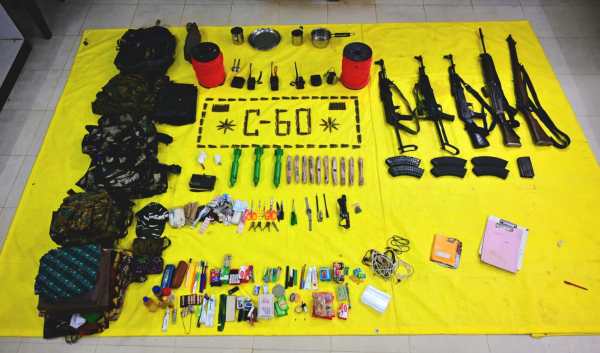 Material recovered by security agents after the operation. (Special arrangement)
In 2003, he moved from Telangana to Dandakaranya, and served as District Committee Member in South and West Bastar, including Gangloor. He later moved to Gadchiroli, where he ran a company and focused on military operations.
Despite personal losses – the death of his wife, the arrest and imprisonment of a son and the recent surrender of his son – he remained committed to the armed struggle, sources said.
Story continues below this ad.
While the Maoist presence in Gadchiroli has reduced significantly, security agencies are worried about the possibility of Chhattisgarh cadres infiltrating the region. Of about 15 Maoists recently active in the area, seven were killed in the operation. Only about five cadres remain in the area, while those who escaped belong to the Maad Division, which is expected to pose a continuing security challenge.
A senior officer said Prabhakar was very proficient in handling sophisticated weapons like AK-47 and was an expert in IED technology. As a member of the Manufacturing and Weapons Committee, he played a key role in military strategy and logistics and served as a vital link in sustaining the insurgent presence along the Kanker, Narayanpur and Bijapur border corridors.
Prabhakar alias Loketi Chandar Rao was not just a fighter but a veteran strategist. The Rs 25 lakh bounty on his head and his involvement in 73 armed encounters underlined the threat he posed to national security and regional stability for over three decades.