2 minutes of readingUpdated: February 10, 2026 10:12 am IST
The BJP emerged as the leading party in rural Maharashtra in the zilla parishad and panchayat samiti elections, the results of which were announced on Monday, while the two factions of the NCP appear to have benefited from competing together for a common symbol. The results also indicate Shiv Sena deputy CM Eknath Shinde has performed significantly better than the Uddhav Thackeray-led Sena faction, making gains in rural Maharashtra.
According to data released by the State Election Commission, the BJP emerged as the largest party, winning 225 of the 731 zilla Parisad seats in the 12 districts that went to polls. The NCP won 165 seats, closely followed by Shinde Sena with 162 seats. Among the opposition, Congress emerged as the largest party with 55 seats.while the Sena (UBT) won 43 seats. The PCN (SP) obtained 26 seats.


Of the 1,462 panchayat samitis seats where elections were held, the BJP won 459, Shinde Sena 302, NCP 306, Congress 197, Uddhav Sena 89 and NCP (SP) 46.
For the BJP, which won six of the 12 zilla wards, the results reinforce the party’s growing presence across the state, especially in rural areas previously seen as NCP and Congress strongholds.
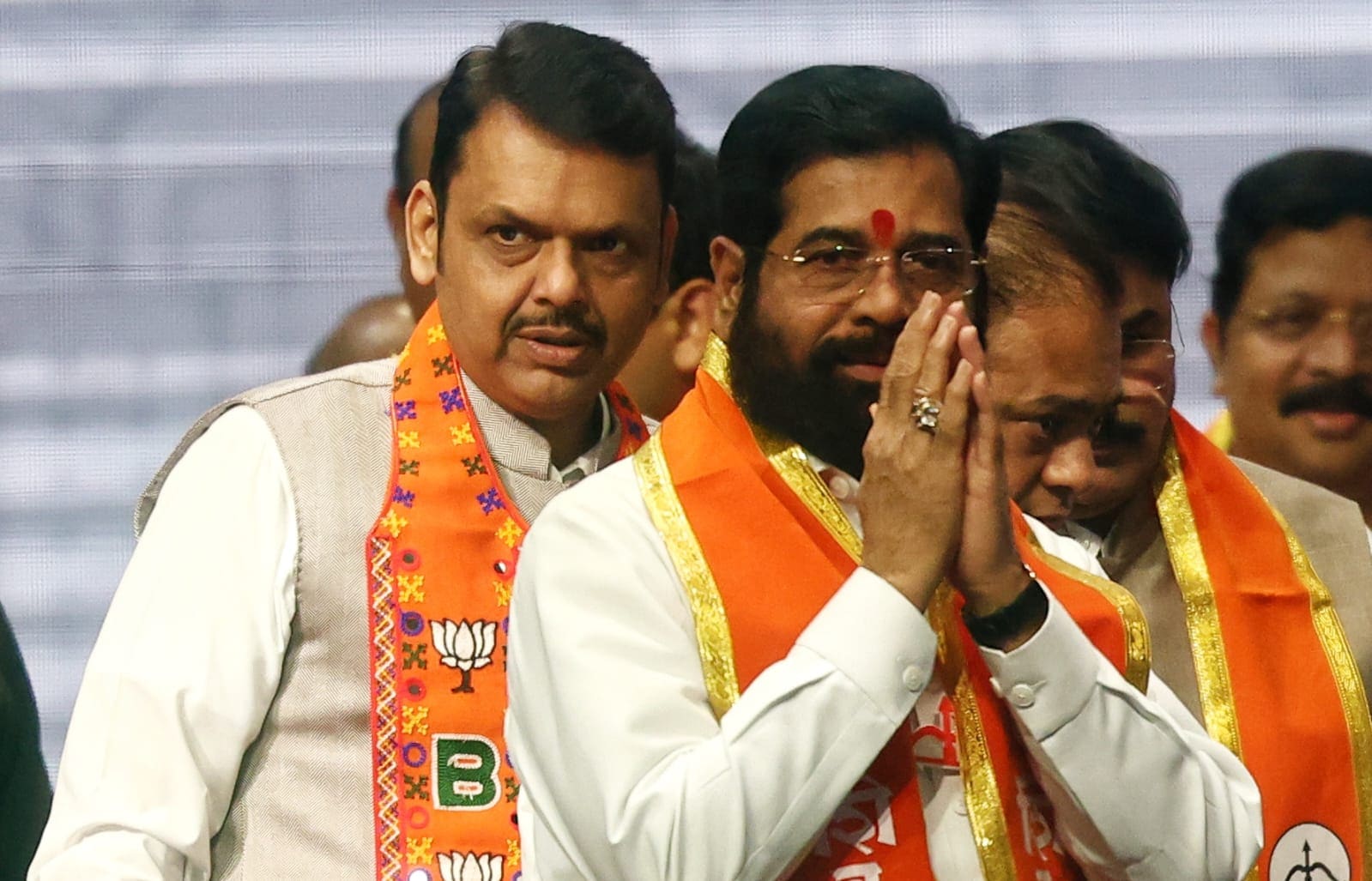
“BJP has established itself as the number one party in Maharashtra. Mandate reflects acceptance in rural and urban areas,” CMDevendra Fadnavis he said, adding that alliance partners Shiv Sena and NCP had also performed well.
The results also highlight the growing gap between the two factions of the Sena. Shinde’s Sena, which won 162 seats, has gained significant ground in rural Maharashtra, ahead of the UBT Sena’s 43 seats. “Outside Bombaythe organizational space that was once associated with the undivided Shiv Sena is now largely with us…” said a Sena official.
The results have also assumed significance for the NCP, weeks after the death of former deputy CM Ajit Pawar, who had pushed for a possible merger. The decision of the PNC to fight together against the ZP polls in Pune and coordinating seat sharing in at least 10 other districts appears to have helped both factions revive their rural performance, particularly in western Maharashtra, long considered the party’s stronghold.