4 minutes of readingBombayFebruary 6, 2026 02:49 pm IST
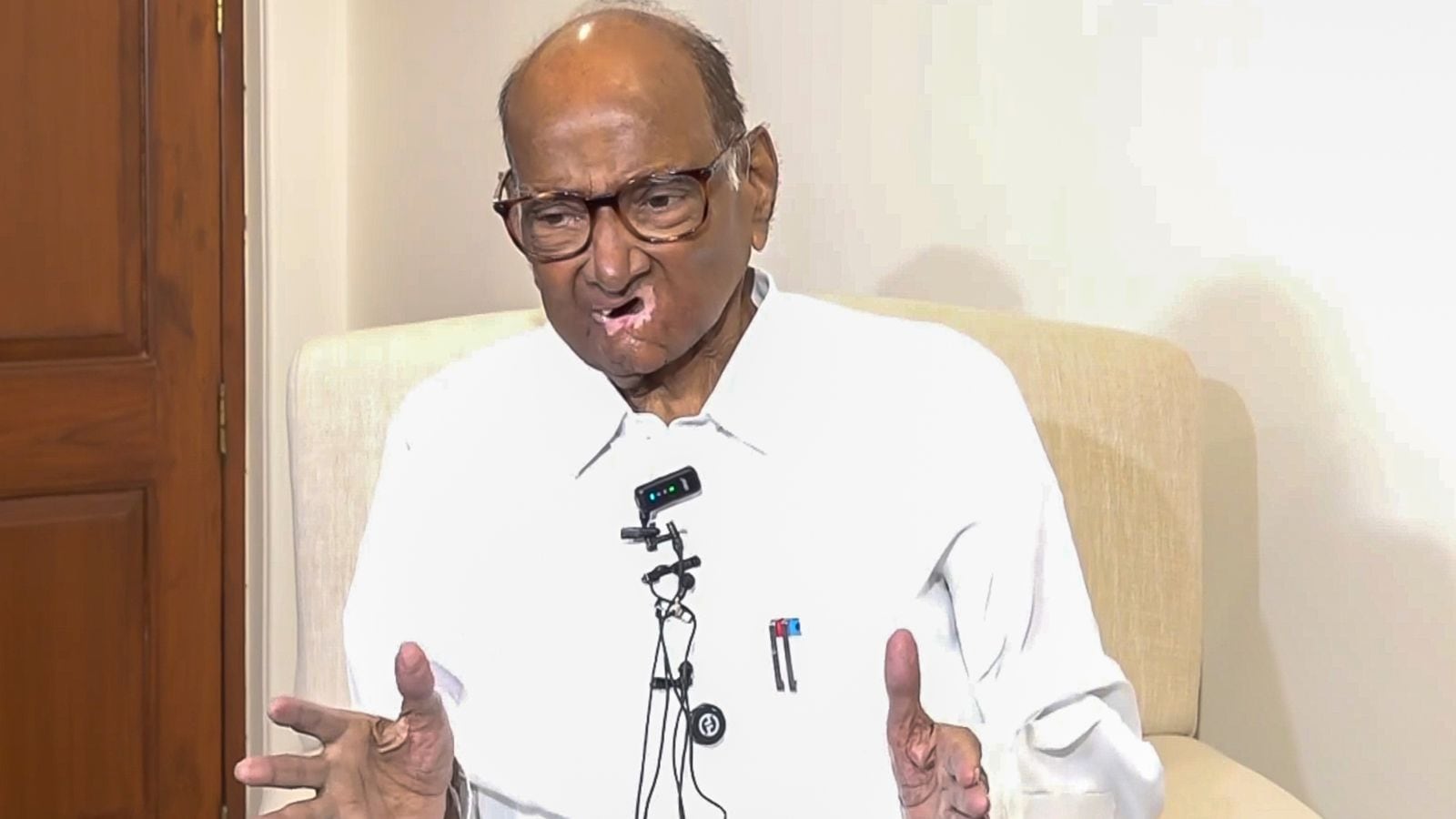
Maharashtra will head for another round of elections in April, when seven Rajya Sabha seats fall vacant on April 2 following the end of the tenure of sitting MPs, including Nationalist Congress Party SP chief Sharad Pawar. The contest is expected to be tough for the opposition Maha Vikas Aghadi, which has few members in the Assembly and can realistically contest just one seat if it votes together.
Seats remain vacant
The seven seats up for voting are currently occupied by four parties. The Bharatiya Janata Party has two members, Dhairyashil Mohan Patil and Bhagwat Karad, and one seat allocated from its quota to Republican Party of India leader Ramdas Athawale. The Sharad Pawar-led NCP SP has two seats through Pawar and Fauzia Khan. Congress is represented by Rajani Ashokrao Patil, while Shiv Sena UBT has Priyanka Chaturvedi.

Maharashtra currently has 19 Rajya Sabha members. Of them, the BJP has seven, the Congress and the NCP have three each, the NCP SP and Shiv Sena UBT have two each, the Shiv Sena has one and the Republican Party of India has one.
How elections work
Rajya Sabha members are elected by the MLAs of the state Assembly through a secret ballot system. MLAs vote through ballots and rank candidates in order of preference. A candidate needs to secure a fixed quota of votes to be declared elected, and excess votes are transferred based on preferences until all seats are filled. Although the vote is secret, MLAs must show their ballot to their party’s authorized agent before casting it, a rule intended to prevent cross-voting.
For the seven seats in Maharashtra, the quota is equivalent to 37 votes, assuming all 288 MLAs vote and all votes are valid. The number may vary slightly in case of absences or null votes.
Numbers in favor of Mahayuti
The ruling Mahayuti alliance is in a comfortable position. The BJP has 131 MLAs, the Eknath Shinde Shiv Sena-led has 57, and Ajit Pawar-led NCP has 40, taking the alliance’s total strength to 228. This is enough for the ruling combine to win six of the seven Rajya Sabha seats if its votes remain consolidated.
On the opposition side, the Congress with 16 MLAs, the Shiv Sena UBT with 20 and the NCP SP with 10 together have 46 votes. This is enough for a single seat and is a long way from competing for a second, unless there is cross-voting or abstention from the ruling side.
Story continues below this ad.
The elections will once again test how firmly the MVA can hold together, as it only has room for one candidate. Any split in the opposition’s votes would further weaken its chances. Meanwhile, the ruling alliance looks set to dominate the polls if its MLAs vote as planned.
Sharad Pawar and the road ahead
The Rajya Sabha election also comes at a time when Sharad Pawar’s political importance has been further accentuated after the death of his nephew Ajit Pawar. In the past, Pawar has openly talked about moving away from electoral politics. After a career spanning over five decades and 14 contested elections, Pawar had said in November last year that he does not plan to contest any more elections once his current Rajya Sabha term ends.
Ajit Pawar’s death However, it has left a void in the rival NCP faction that aligned itself with the BJP and Shiv Sena, returning Sharad Pawar to the center of political discussions despite his stated intention to stay away from electoral contests. It remains to be seen if the Maratha strongman returns to the fray for another political fight that raises questions over whether Pawar will remain part of an elected House in the years to come.

