5 minutes of readingJanuary 29, 2026 08:04 am IST
It would be unfair to say that Border 2 is a poorly made film. Director Anurag Singh establishes the backstories of the central characters at a leisurely pace and there are genuine moments of humor and sentiment. I chuckled at Diljit Dosanjh’s comic timing, I cried watching two soldiers support each other as letters from home brought good news to one and bad news to the other. I sang along when ‘Sandese Aate Hain’ came on because the original remains an essential memory.and I wondered if the founding fathers of India and Pakistan realized that they were leaving us with a wound that would heal with hatred and discord even 75 years later. But as the inevitable battle scenes appeared, emotional identification and historical accuracy soon gave way to flights of fancy. I was amused to see the protagonists praising grenades like water balloons with their ‘dhai kilo ke haath’ and crossing the line from playing real-life heroes to being larger than life film stars. I also couldn’t help but wonder: Is nostalgia for a hit movie or the renewed box office viability of a movie star enough reason to make a sequel? Especially if the sequel doesn’t have a new perspective to offer on the 1971 Indo-Pak War, war movies, wars in general, the history of animosity between India and Pakistan, or men in uniform whose altruism often defies human instincts for self-preservation.
READ ALSO: Bollywood 2025: violent men, silent women and consequences no one asked for: year-end report


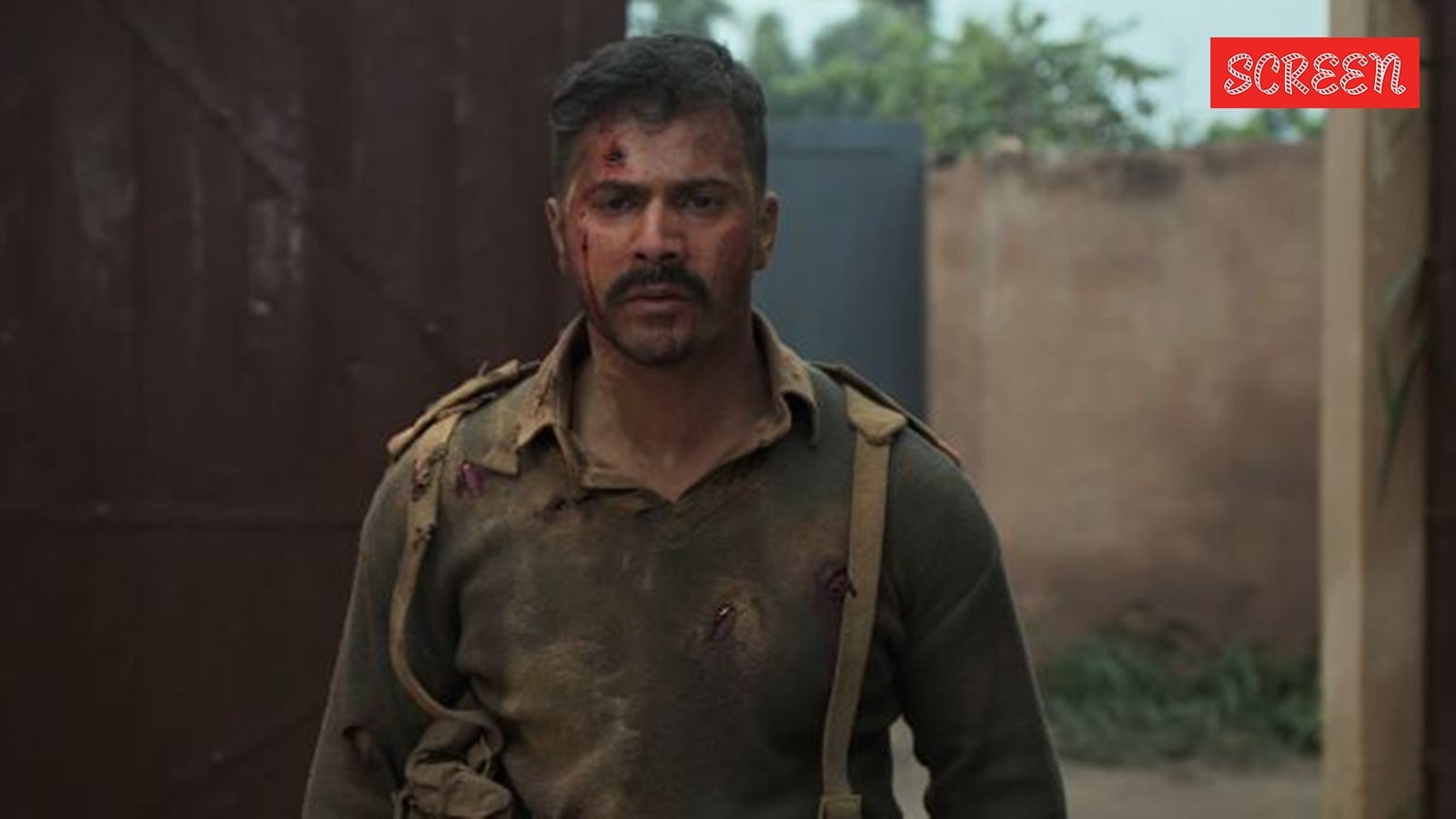
Perhaps that’s why Border 2 relies so heavily on Border moments, music, and memories to establish relevance and strike an emotional chord with audiences. Be it using the songs from the original film, ‘Sandese Aate Hain’ when letters arrive for the soldiers, or playing a repeat version of ‘Jaate Hue Lamhon’ in the background when Ahan Shetty bids farewell to his wife, just like his father did in the original film. Ahan’s character also repeats some of his father’s iconic dialogues in Border and uses similar metaphors while referring to India as his homeland. Sunny Deol takes on a tank and Varun Dhawan channels some of Dharamveer’s (Akshaye Khanna) childhood angst and trauma. in his character, Major Hoshiyar Singh Dahiya.
There is banter between soldiers, which provides comic relief, and gentle love stories that are a great contrast to the men who have to be aggressive on the front. There is a place of worship in an abandoned village where a diya symbolizes hope. Young women are widowed, young children are lost in battle, there are moments of human connection between soldiers on opposite sides of the border, and help arrives unexpectedly when you feel like all is lost. It’s a series of obvious and subtle references to Border that are designed to make you nostalgic for the film that became a model and reference point for war films in Bollywood.
Bollywood loves war movies or movies about the Armed Forces. In the last two years alone, we have had Fighter, 120 Bahadur, Sam Bahadur, Ikkis, Sarzameen and Border 2 release in theaters or on an OTT platform. Later this year, we will be in disbelief watching Salman Khan play an army officer in the film The Battle of Galwan. But it’s worth asking why we make war movies in the first place. Is it to celebrate the valor of certain individuals who make the ultimate sacrifice while serving the nation? Is it about revisiting a past conflict because it has political or thematic significance for current events? Do they talk about how we are condemned to continue making the same mistakes as human beings? Or is it to make a broader comment about how wars can never guarantee an end to conflict or promise a peaceful future?
For a film made in 1997, Border’s practical effects, action sequences and pyrotechnics were impressive. As was the balance it struck between being a mass entertainer and a well-made war film that questioned the necessity of battle and celebrated a soldier’s patriotic fervor. While Border 2 has a talented cast and far less jingoism than expected given the political climate we live in, its commitment to paying homage to Border prevents it from becoming a movie. It’s much like how an imitation can be entertaining, but it exists because of a celebrity who has had an influence on popular culture. The movie is doing well at the box office, which is good for the movie business. But sadly and ironically, it misses the opportunity to be a great war film like Border, which remains memorable even three decades later.