3 minutes of readingUpdated: January 29, 2026 21:49 IST
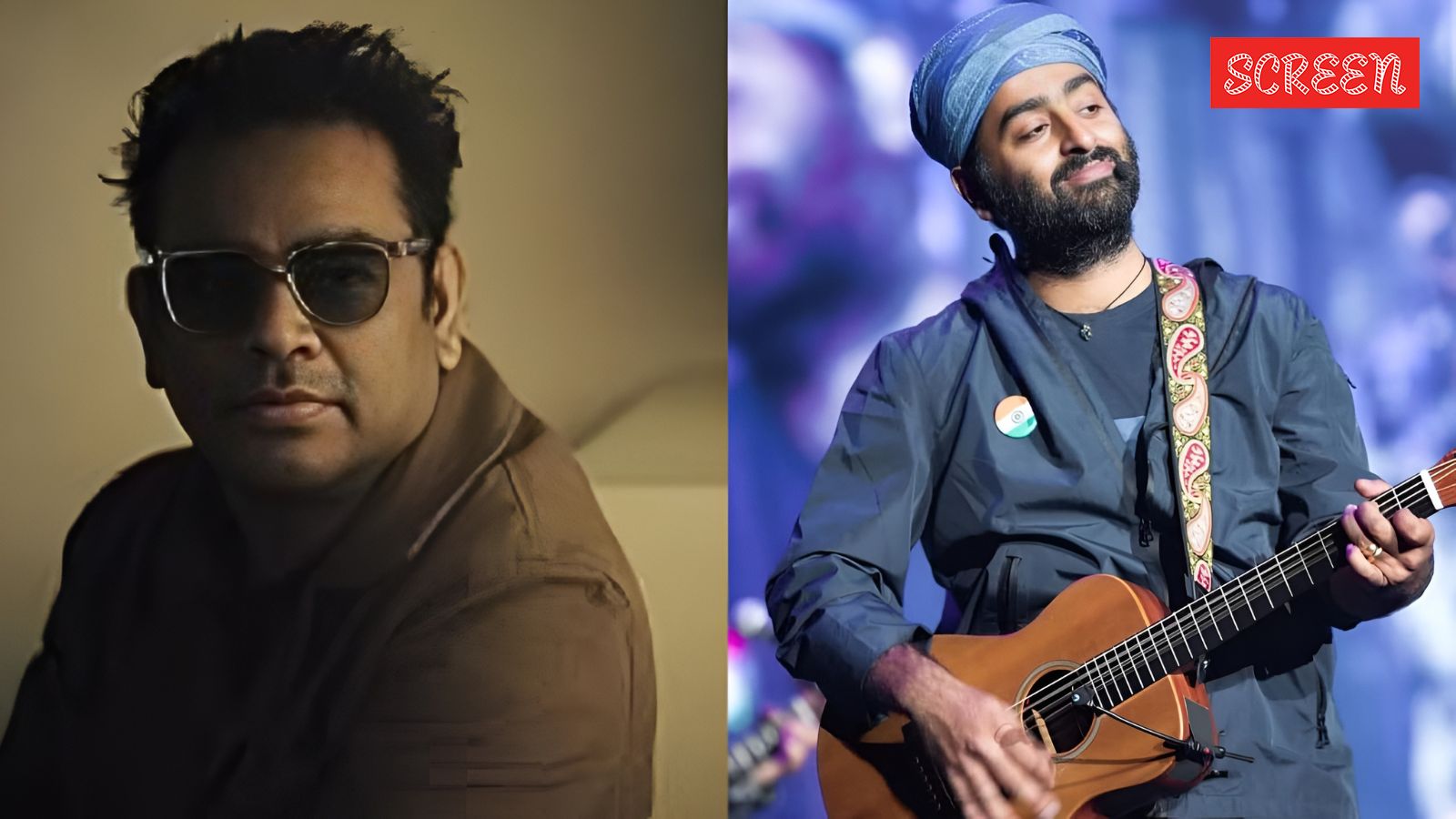
Arijit Singh shocked the music world on Tuesday night when he announced his retirement from playback singing. The news was deeply disheartening not only for his fans but also for the admirers of Hindi film music in general. At a time when contemporary music is already perceived to be struggling, imagining the industry without a voice like Arijit’s is heartbreaking. However, the decision was one he made for his own well-being. Since the day of the announcement, several musicians have wished him the best for the journey ahead, while others have fondly remembered his style of work and his deep passion for music.
Recently, before Arijit’s retirement, music composer AR Rahman, with whom the singer has released several hits including the soulful latest song “Vida Karo”, spoke about their collaboration in a chat with BBC Asian Network. Rahman said: “He is a great musician. He is a producer; he knows the art of producing and he is also reckless, he likes to work from his village which is great.”


He also added, in the same conversation, that as a music composer, he feels proud of singers like Arijit Singh, who have grown up in front of him and have gone on to lead the way on a global stage. He said: “I love that. I think any success by any musician is a success for music itself. And particularly fighting against all this stigma: ‘Oh, musicians are bad people; they’re debauched; they drink and smoke,’ all that stuff from the older generation. We’re losing that, and we have younger role models like, you know, Shreya (Ghoshal) and Arijit, and they’re all clean and give a lot to people. That’s a good thing. I’m proud of them.”
When asked about his best collaboration with Arijit, Rahman pointed out “Agar Tum Saath Ho” from Imtiaz Ali’s Tamasha. The song also marked Arijit’s first collaboration with Alka Yagnik.
While Arijit Singh continues to be in the news, AR Rahman has also been in the news recently. In the same talk, he was asked if there are “prejudices in the Hindi film scene” and if, as a Tamil, he has ever faced discrimination. Rahman replied: “Maybe I never got to know about this, maybe it was hidden, but I didn’t feel any of this. Maybe in the last eight years because a power shift has happened and people who are not creative have the power now. Maybe it’s a communal thing too… but it’s not in my face. It comes to me like Chinese whispers that you got hired, but the music company went ahead and hired their five composers. I say fine, I have more time to relax with my family. I’m not looking for a job. I don’t want to go to look for work. I want work to come to me; what I deserve, I get.”
The comment sparked a strong reaction online. After which Rahman later issued an apology statement saying that he “never wished to cause pain.”