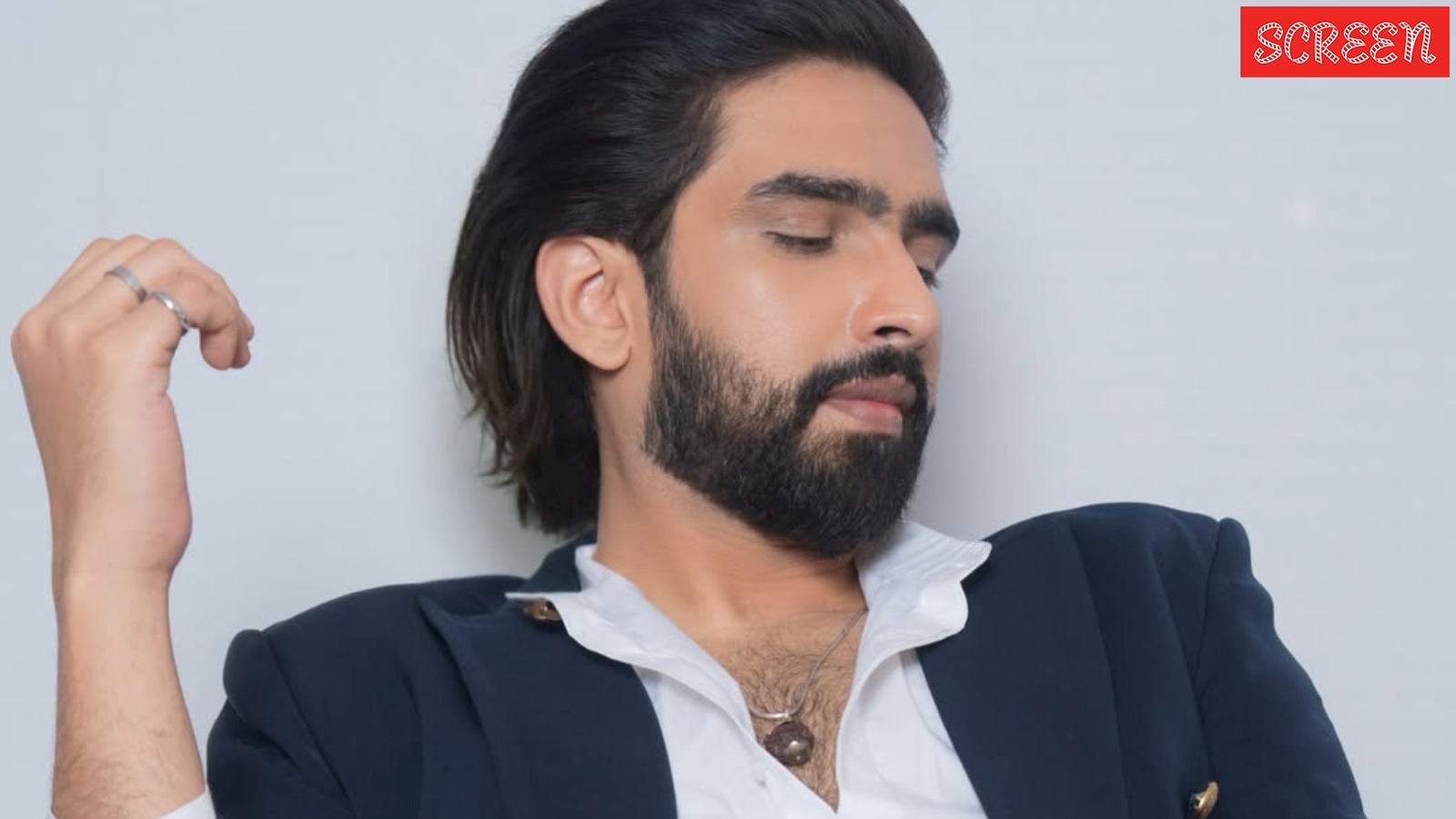
Musical composer and singer Amaal Mallik once again opened up about the deep-rooted flaws in the Hindi film music industry, ranging from work culture and accreditation practices to artist rights and compensation. In a recent interview with Pinkvilla, love shared how the song “Sooraj Dooba Hai” from the film Roy, made on a budget of Rs 8-9 lakh, went on to earn an estimated Rs 60-70 crore for record labels, while he did not see any of that success.
“I got 60-70 million rupees for the label, and I didn’t get anything except the publishing rights, which are negligible, not even close to 1 million rupees,” he said in the interview.


For Amaal, the fight for rights is not just about personal wealth. “I want to earn that amount of money to help people. I do it my way, I don’t want to talk about it, but I want money to help people. That can only be achieved if I have rights or equal rights or some kind of rights jo film music mein nahi milta hai.”
‘South Indian music composers charge huge fees’
He contrasted the situation of Hindi cinema with the South Indian film industry. “There have been people like Rahman sir (AR Rahman) and many others from the South who have stood their ground,” he said, pointing out the huge disparity in rates.
“There are massive fees of Rs 10-15 crore that composers in the South get, compared to Hindi music composers who get Rs 2-3 crore and give up all rights. It’s not about crying about money, but money is something that makes it easier for someone with a heart like me, with intentions like me, to help people.”
“We don’t want money to buy a house or something. 16 years later, I bought a car. I never did anything for myself, there were always people around me,” he said.
How the music industry works
Describing how the industry works, Amaal pointed to a culture that discourages questioning. “Everyone works in a straight line. People don’t ask why things can’t be done differently or why loans can’t be structured differently,” he said.
Story continues below this ad.
On the topic of credits, Amaal was adamant that equity has always guided his work. “No one will ever be able to say that I denied them credit for my songs,” he said.
He explained that Indian credit systems were lagging behind global standards. “In the Western world, credits work very differently. On platforms like Spotify, you often don’t even see the names of everyone involved in a song.”
He recalls times when even veteran lyricists were forced to fight for recognition. “There were times when they had to fight because the lyricist’s name did not even appear. Writers as senior as Amitabh Bhattacharya, Kausar Munir and Manoj Muntashir had to make a video just to demand proper credit,” he said.
According to Amaal, many musicians who received credits alongside him later pressured other labels to do the same. “They wondered why a composer could be credited on one label but not another.”
Story continues below this ad.
Amaal also noted that giving prominent credits to composers was not always the norm. “Nowadays you see songwriter credits on all the big YouTube channels, but I was the first to insist on this back in 2004,” he said.
Professional cost of speaking
Speaking about the professional cost of adopting this type of stance, Amaal admitted that it often generates conflicts. “There was a time when I was working with someone on a film and at night we were fighting a court case. I won’t name anyone, but that’s how it works,” he said.
He also credited his audience for sustaining him through professional setbacks. “I have spoken firmly, but the public has supported me,” he said.
Story continues below this ad.
Amaal revealed that he was dropped from several projects over the years. “In the last five years, I went down from 40 to 45 movies,” he said, adding that listeners continued to engage with his music anyway. “Even when I wasn’t visible, my music lived on.”
Amaal also spoke about the risks of speaking openly early in his career. “People tell me, ‘If you do this, you’ll get less work.’ “I understand that, but I don’t know any other way,” he said.
He added that the backlash often affects his family, including his brother Armaan Malik.
He also pointed out the industry’s deeper structural problems, particularly a lack of transparency. “People should see that I give my best in every film,” Amaal said. “You take between 15 and 16 options from me and 10 other composers, everyone puts their heart into it and then the songs are rejected. There is no clarity.”
Story continues below this ad.
About Amaal Mallik
Amaal Mallik is the son of composer Daboo Malik and nephew of veteran musician Anu Malik. He made his debut as a composer in 2014 with three songs in Salman Khan’s Jai Ho. While the film underperformed at the box office and its music failed to leave a lasting impression, Amaal continued to build his career with projects like Roy, Ek Paheli Leela, All Is Well, Hero, Airlift and several others.