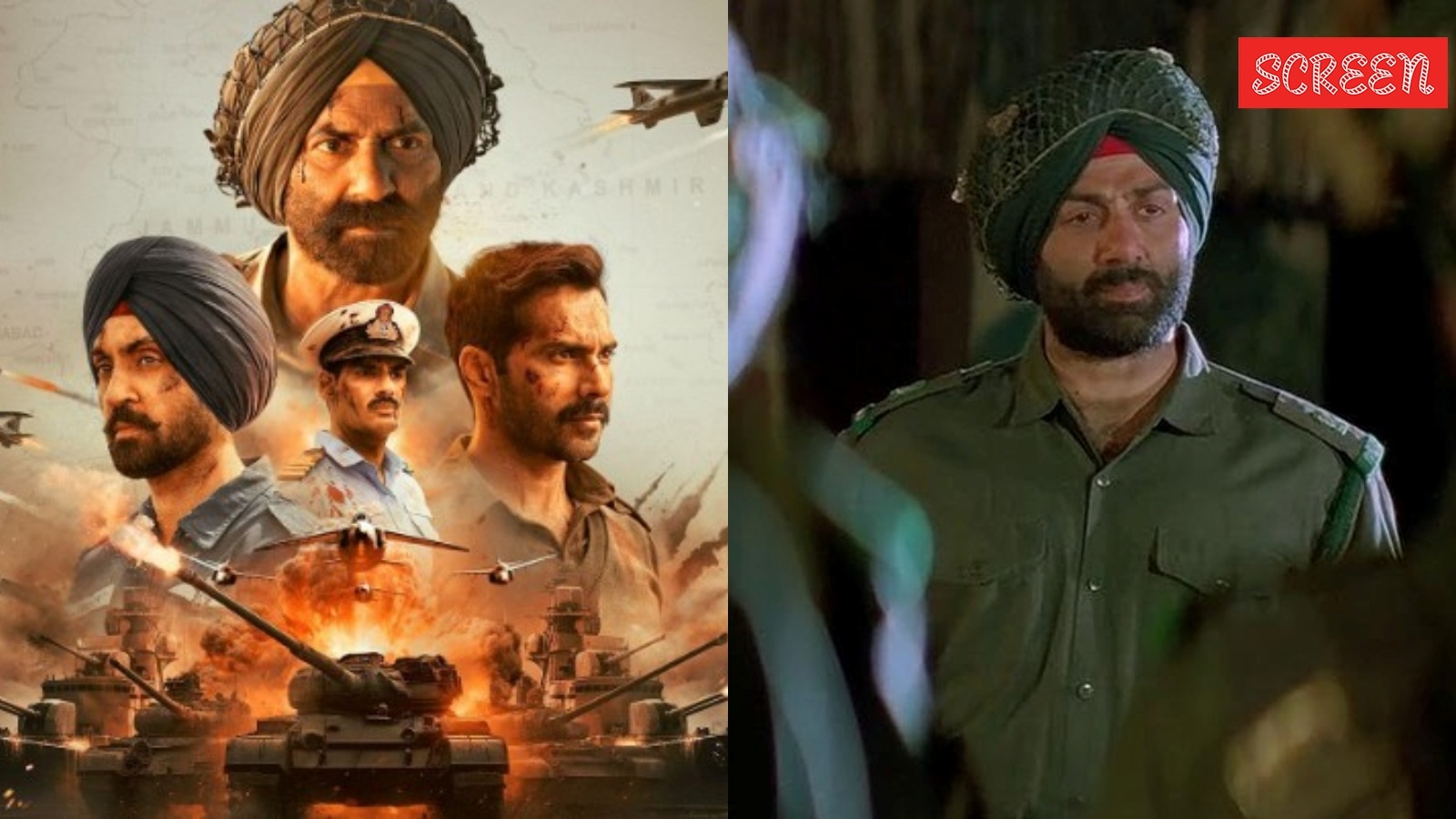
For those who grew up in the ’90s, JP Dutta’s Border was a rare cinematic event that became a family-friendly outing to the theater. For many of us, it’s not just a movie; It was a visceral memory. As the closing credits rolled, we had a deep respect for our soldiers, but that wasn’t all. Through the lyrics of “Mere Dushman Mere Bhai”, he forced us to face the human cost of war. We left the theater with heavy hearts for the men on both sides of the line, realizing that beneath the uniforms, a family’s pain remains the same.
Cut to 2026, Border 2 He went to the cinemas riding the enormous wave of nostalgia. While the film achieved box office success becoming the highest-grossing Indian war film, it ultimately felt like an empty shell of its predecessor.


I went for Sunny Deol in Border 2, I felt like I was back in Gadar.
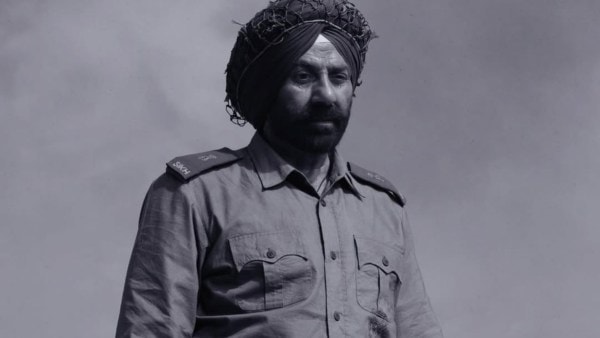
In the 1997 classic, sunny deolMajor Kuldeep Singh Chandpuri had the poise and gravitas of a seasoned commanding officer. He was a leader who guided his men with fatherly kindness but could adopt severity when necessary. Every outburst, every battle cry came from a place of authenticity rather than theatrics.
By contrast, Border 2’s Lt. Col. Fateh Singh Kaler often feels like a scene straight out of Gadar, shouting over-the-top lines like, “Jitne tumhare yahaan log nahi hain, utne bakre hum Eid mein kaat dete hain!” Seriousness is traded for constant shouting, delivering lines that seem tailor-made for a theatrical frenzy rather than a war room.
failed nostalgia trap
Border 2 It tried to lean into the nostalgia of the original, but it rarely lands, stumbling by treating nostalgia like a checklist instead of a feeling. The story seems painfully predictable, you can trace the victims from the dialogue. It’s obvious who will survive and who won’t, even among the supporting characters. The film brings back iconic songs like ‘Sandese Aate Hain’ and ‘To Chalun’, but the magic is missing. In the original, these numbers evoked genuine emotion; in the sequel, the representation seems empty. Even moments that should touch the heart, like receiving letters from home, seem forced, save for one or two fleeting moments. It felt like the creators were simply checking a box to make sure the audience felt “something” without trying to earn it.
Action versus authenticity
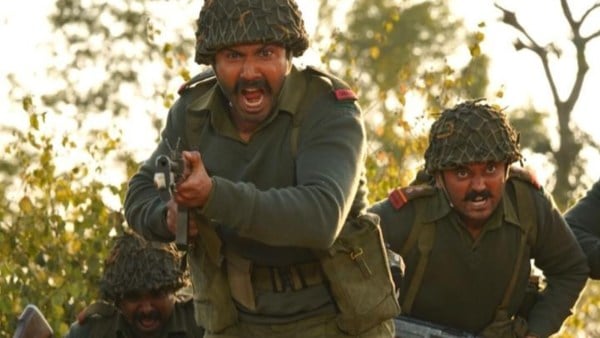
In the original Border, the war sequences seemed solid and believable, especially given the technical limitations of the time. Border 2, however, leans heavily toward over-the-top spectacle. Sunny Deol’s Lieutenant Colonel Fateh Singh Kaler performs stunts that belong more in a superhero blockbuster than a war movie. He spends more time in hand-to-hand combat with the enemy than a professional wrestler does in a ring. When Sunny Deol and his troops arrive to rescue Varun Dhawan’s character in a different location just in time, it felt like a teleportation button had been pressed. In his quest to be a “high-octane action actor,” he loses his realism, which makes the battle scenes seem exaggerated.
Story continues below this ad.
Missing vulnerability
What made the 1997 original a memorable film was its willingness to let its heroes be human. Border didn’t just show the soldiers; It showed the psychological cost of the uniform.
When Second Lieutenant Dharamvir Singh (Akshaye Khanna) first engages the enemy, he sees no target; He sees a human being he’s never met and wonders why he should pull the trigger. His bravery is born of a desperate need to honor his father’s legacy in the 1965 war. Beneath the olive green, he is a son terrified of leaving his mother alone, a vulnerability that seemed real.
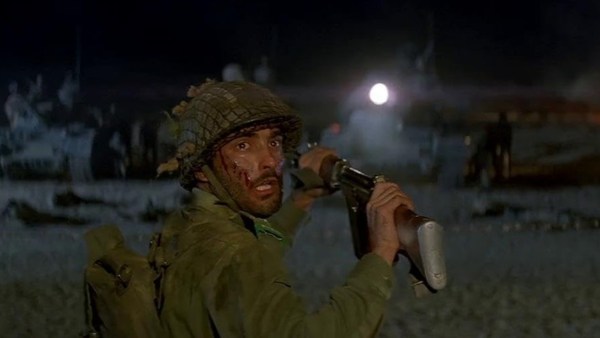
Captain Bhairon Singh (Suniel Shetty), despite his tough exterior and intense training, is momentarily paralyzed by the carnage of the battlefield. Similarly, Dharamvir falls into shocked silence after seeing a fellow soldier beheaded.
Scenes like these, which capture the vulnerability and emotional reality of the soldiers: their fear, pain and moral struggle, are a grounded frontier. While Border 2 also shows soldiers losing friends in combat, or Varun being shocked to see a Pakistani soldier he had faced before the war, it focuses on the spectacle of sacrifice, but the original focused on the weight of these moments.
Story continues below this ad.
Quiet Patriotism Versus Loud Hostility
The 1997 Border showed restraint in portraying the “enemy.” For much of the film, the Pakistani soldiers do not appear: they are felt through the tension of the desert but not seen until the heat of battle. When they finally appeared, they were depicted as soldiers fighting for their flag, the film never felt the need to dehumanize them. The film never pushes the audience to hate them; The tension comes from the battlefield.
Border 2, on the other hand, leans heavily on the tropes of modern “rage bait” cinema. The Pakistani military is frequently shown hurling insults and repeatedly calling Indians “buzdil” (cowards), a move designed to irritate the audience. It shows a change in Indian cinema where hyper-nationalism has replaced quiet patriotism. In the current polarized climate, portraying an enemy with any degree of humanity risks being labeled “anti-national.” The filmmakers seem to have played it safe, choosing guaranteed hostility at the box office.
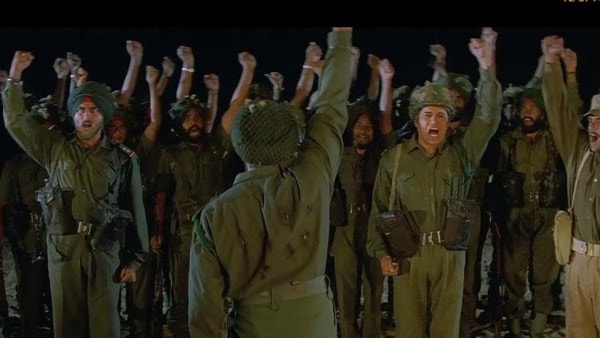
Even Sunny Deol’s character in the original responds firmly to the enemy’s taunts, but the focus remains on bravery, duty and the raw human risks of war. Border 2, on the other hand, chooses to silence the opposition in a way that feels more like a social media comments section than a military confrontation.
How Border 2 loses the soul of war
What really made Border stand out was its focus on the human cost of war. The film ends with a somber senior Chandpuri (Sunny Deol) lamenting the lives lost on both sides of the border. The song “Mere Dushman Mere Bhai” makes the point clear with its lyrics, asking how long the two countries will continue to fight while ignoring their own internal struggles such as poverty and social problems. It ends on a note of hope about a future where both nations can prosper, showing the flags of both countries side by side.
Story continues below this ad.
Imagine trying that today, calling your “enemy” brother, wishing him well, and hoping for mutual prosperity. In this day and age, asking for empathy toward the “other side” is often branded as betrayal. We saw this with the recent film Ikkis, which attempted to show a human side to the enemy and was met with a relentless wave of online trolling.
Frontier 2, on the other hand, largely eschews this humanist lens, save for a brief scene in which Diljit Dosanjh’s character’s mother mentions that mothers on the other side also pray for their children. Beyond that, the sequel lacks the moral weight and soul of its predecessor, and feels soulless.
Border 2 succeeds as a box office powerhouse, but fails as a successor to the 1997 film. Remembering the impact that last song had on me as a child, reminding me that every fallen soldier has a name and a home, I realize that Border 2 is just a loud, hollow echo in comparison.