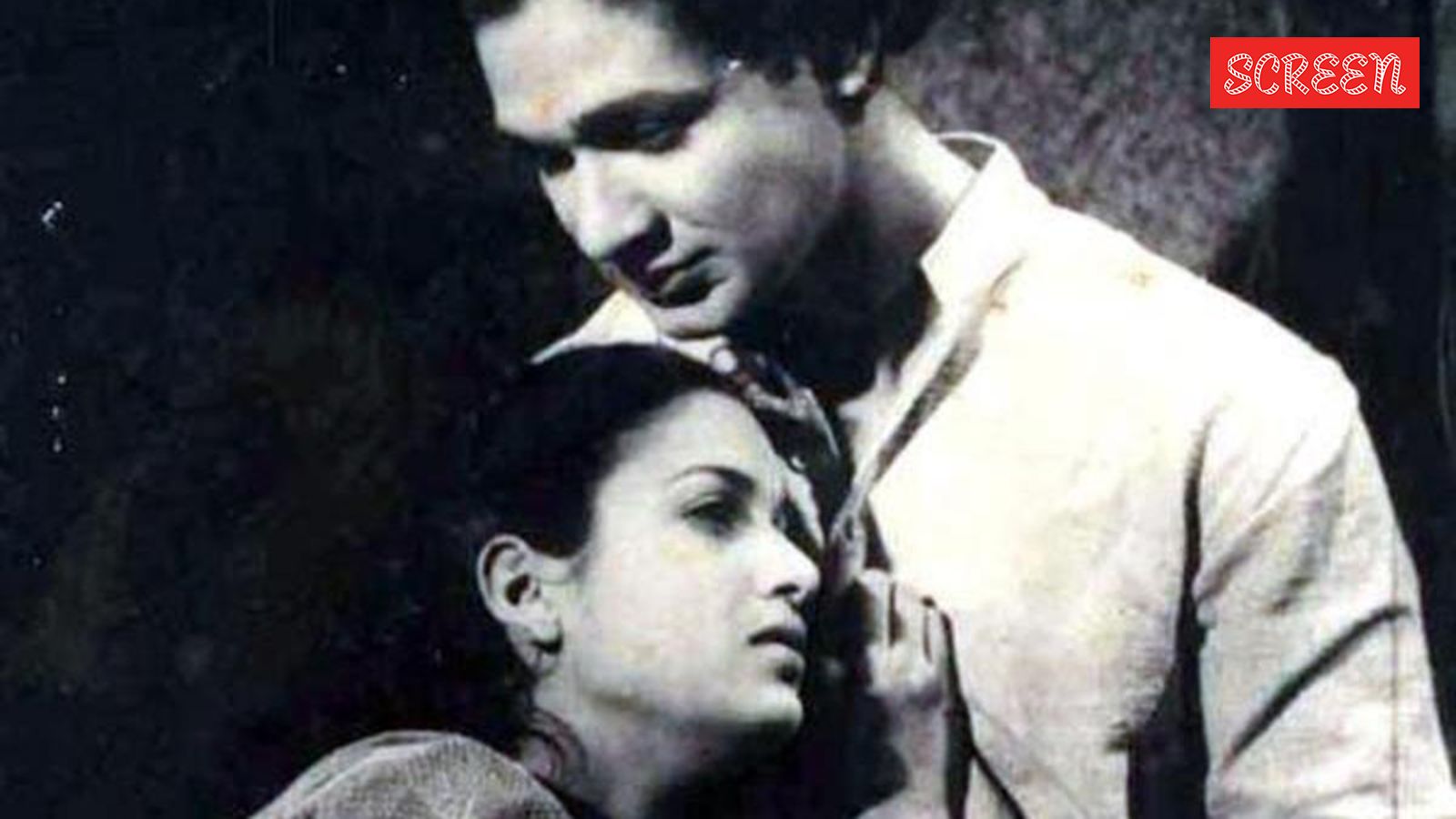
It was 1946 when Dev Anand’s elder brother and filmmaker Chetan Anand made his directorial debut with Neecha Nagar, a film that would create history, even as it largely remained invisible in his own country. The film was presented at the opening of the Cannes Film Festival and emerged as the only Asian film to win the Grand Prix (now known as the Palme d’Or), sharing the honor with 11 other films out of the 18 in competition. Neecha Nagar also marked the debut of actor Kamini Kaushal and legendary music director Ravi Shankar, received praise from Lord Mountbatten and garnered international acclaim. However, despite all this, the film never found an audience in India. At first the reason was simple: I had no songs.
Speaking on the Unheard Tales podcast, Chetan Anand’s son Ketan Anand reflected on the film’s extraordinary yet bittersweet journey.


“That film became an award-winning milestone – the first Asian film to win the Grand Prix at the first Cannes Film Festival. My father became known internationally, but not so much in India. Still, he was always deeply revered. He was a great filmmaker. Satyajit Ray was influenced by him and even wrote that after watching Neecha Nagar, he wanted to quit his job and become a filmmaker.”
Ketan added that while the film had commercial problems in India, its political undertones struck a chord abroad. “He was an intellectual who had won Cannes, but the film didn’t work in his own country. India was concerned about the freedom struggle at the time. France, however, was fascinated, and so they honored it.”
He also recalls how the British administration was stunned by the recognition that Neecha Nagar received. Unable to believe that a French jury had awarded such a prestigious award to an Indian film, he organized a special screening.
“Jawaharlal Nehru was still struggling and was close to Mountbatten. Mountbatten called him and they watched the film together because the British simply could not accept that France had given him such an important award,” Ketan said.
Story continues below this ad.
According to him, the British surprisingly appreciated the film’s nuanced storytelling. “They liked it because it reinforced their belief that they were fair in allowing criticism. The film spoke allegorically. They said, ‘Young Chetan has made a very beautiful film; release it all over India.'”
However, that liberation never really occurred.
“The distributors refused to accept it, saying the film had no songs,” Ketan Anand recalled.
Neecha Nagar, a Hindi adaptation of Maxim Gorky’s The Lower Depths (1902), reinvented the story within an Indian socio-political framework. The film portrayed stark economic and social inequalities, with the downtrodden residents of Neecha Nagar (the lower town) subject to calculated exploitation by the wealthy elite living in Ooncha Nagar (the upper town).
It was a bold metaphor for British colonial rule: brave, intellectual and far ahead of its time.
Story continues below this ad.
Despite its international recognition, Neecha Nagar received only a token release in a single cinema in India. Distributors saw no commercial value in a film lacking songs, dancing or romance, elements that defined conventional cinema of the time.
History, however, would remember it differently: as a pioneering Indian film that conquered the world before its own country was ready to embrace it.