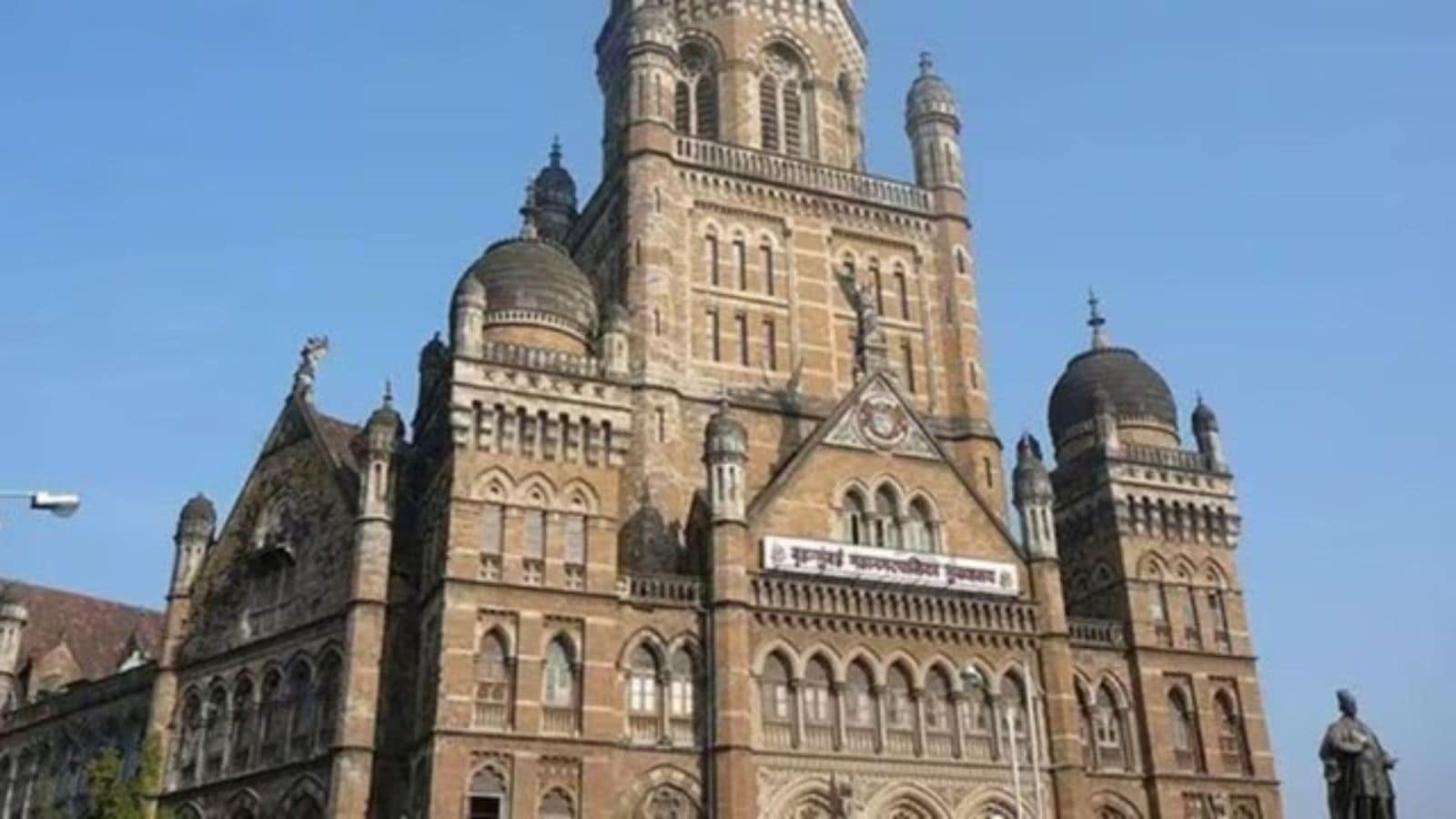
As Mumbai awaits its next mayorattention has shifted from the election results to the imminent lottery that will decide the reservation for the highest civic position in the city. The draw, to be held on Thursday at 11 am by the Urban Development Department at Mantralaya, will use the rotation method and is expected to set the terms of the mayoral contest between the three main players – the Bharatiya Janata Party, the Eknath Shinde-led Shiv Sena and the Uddhav Thackeray-led Shiv Sena UBT.
Why is the lottery important?
According to the law governing urban local bodies, including the Brihanmumbai Municipal Corporation, the the mayor’s position must be reserved by rotation for scheduled castes, scheduled tribes, other backward classes and women. This reservation is not predetermined. Instead, it is decided by a lottery conducted by the state Department of Urban Development. Until this process is completed, the parties cannot formally name their candidates, making it unlikely that the city will have a mayor this week.


The system arises from the 74th Constitutional Amendment, which granted constitutional status to urban local bodies and mandated social representation in leadership positions. In Maharashtra, this framework extends reservations to OBCs as well. The lottery mechanism aims to keep the process neutral and avoid accusations that the reservation has been designed to satisfy political interests.
Once the reserve category is announced, the BMC will call an extraordinary meeting of corporations to elect the mayor from among the members belonging to that category. The mayor is elected by a simple majority of more than 114 corporations in the 227-member House.
How the numbers add up
In this context, parties have begun to evaluate their position if the lottery returns a particular category.
In the Open category, the BJP has 31 corporators, Shiv Sena UBT 20 and Shinde Sena 11. If the seat is reserved for women, the BJP again has the largest group with 25 corporators, followed by Shiv Sena UBT with 18 and the Shinde faction with nine.
In the OBC category, the BJP leads with 17 corporators, while Shiv Sena UBT has 11 and Shinde Sena three. Among OBC women, the BJP has 13 corporators, Shiv Sena UBT seven and the Shinde group three.
Story continues below this ad.
The contest is limited to the Disadvantaged Caste categories. Shiv Sena UBT has three SC corporations, compared to two for the BJP and one for the Shinde Sena. In the SC women’s segment, Shiv Sena UBT again leads with four corporators, followed by Shinde Sena with two and BJP with one.
In the Scheduled Tribes categories, only Shiv Sena UBT has representation, with one corporator each in ST and ST women, while BJP and Shinde Sena have none.
In all, the BJP has 89 corporators in the House, Shiv Sena UBT 65 and Shinde Sena 29. But which of these figures translates into a mayoral advantage will depend entirely on the category that emerges from Thursday’s draw.
Past reservations and what’s coming
The Mumbai mayoral pool has been rotating between categories over the years. The seat was held by Hareshwar Patil in the General category in 2000, Mahadev Devale when it was reserved for scheduled castes in 2002, and Snehal Ambekar when it was reserved for a woman from South Carolina in 2014. The last two terms, Vishwanath Mahadeshwar in 2017 and Kishori Pednekar in 2020, were both in the General category.
Story continues below this ad.
Since the last two legislatures fell into the open category, the parties are preparing for the possibility of a reserved tie this time.
Corporations by Category and Party
| Category | BJP | Shinde SS | SSUBT |
|---|---|---|---|
| Open | 31 | 11 | 20 |
| Women | 25 | 9 | 18 |
| OBC | 17 | 3 | 11 |
| OBC Women | 13 | 3 | 7 |
| SOUTH CAROLINA | 2 | 1 | 3 |
| SC Women | 1 | 2 | 4 |
| STREET | 0 | 0 | 1 |
| ST Women | 0 | 0 | 1 |
| Total | 89 | 29 | 65 |

Stay up to date with the latest – Click here to follow us on Instagram
© IE Online Media Services Pvt Ltd